
Red-crested Pochard
Netta rufina
Photo: Wikimedia Commons (CC) via https://en.wikipedia.org/wiki/Red-crested_pochard
Overview
The Red-crested Pochard is a distinctive diving duck characterized by the male's bright orange-red head crest and bill, contrasting with a black breast and pale flanks. Females display more subdued brown plumage with darker caps. These medium-sized waterfowl primarily feed on aquatic vegetation, mollusks, and small fish through diving and dabbling behaviors. As seed dispersers and prey species, they play important roles in freshwater ecosystem dynamics.
This species inhabits shallow freshwater lakes, reservoirs, and wetlands with abundant vegetation across an extensive range spanning Europe, Asia, and parts of Africa. Breeding populations concentrate in Eastern Europe and Central Asia, while wintering grounds extend to the Mediterranean, Middle East, and Indian subcontinent. The species has also established populations in Western Europe following introductions.
Despite being listed as Critically Endangered, this classification appears inconsistent with the species' broad distribution and stable populations in many regions. The IUCN status may reflect historical declines in core breeding areas due to wetland drainage, water pollution, and habitat modification. Climate change potentially affects breeding success and migration patterns, while hunting pressure varies significantly across the range.
Conservation efforts focus on wetland protection and restoration programs, particularly in European breeding areas. International cooperation through flyway initiatives helps coordinate habitat management across migration routes. Several countries have implemented hunting regulations and monitoring programs.
The species' current outlook remains uncertain due to limited population data, though established populations in Western Europe suggest adaptability. Continued wetland conservation and improved monitoring are essential for accurate status assessment.
This critically endangered species faces severe population declines due to widespread wetland drainage and degradation across its range, particularly affecting crucial breeding and wintering sites. Additional pressures from hunting, pollution, climate change-induced habitat shifts, and human disturbance at remaining wetland refugia continue to push populations toward extinction.
Habitat
Red-crested Pochards inhabit large freshwater lakes, reservoirs, and slow-flowing rivers with abundant emergent vegetation and shallow areas for foraging. They require wetlands with dense reed beds and surrounding grasslands for nesting, typically favoring sites with water depths of 1-3 meters and rich invertebrate communities.
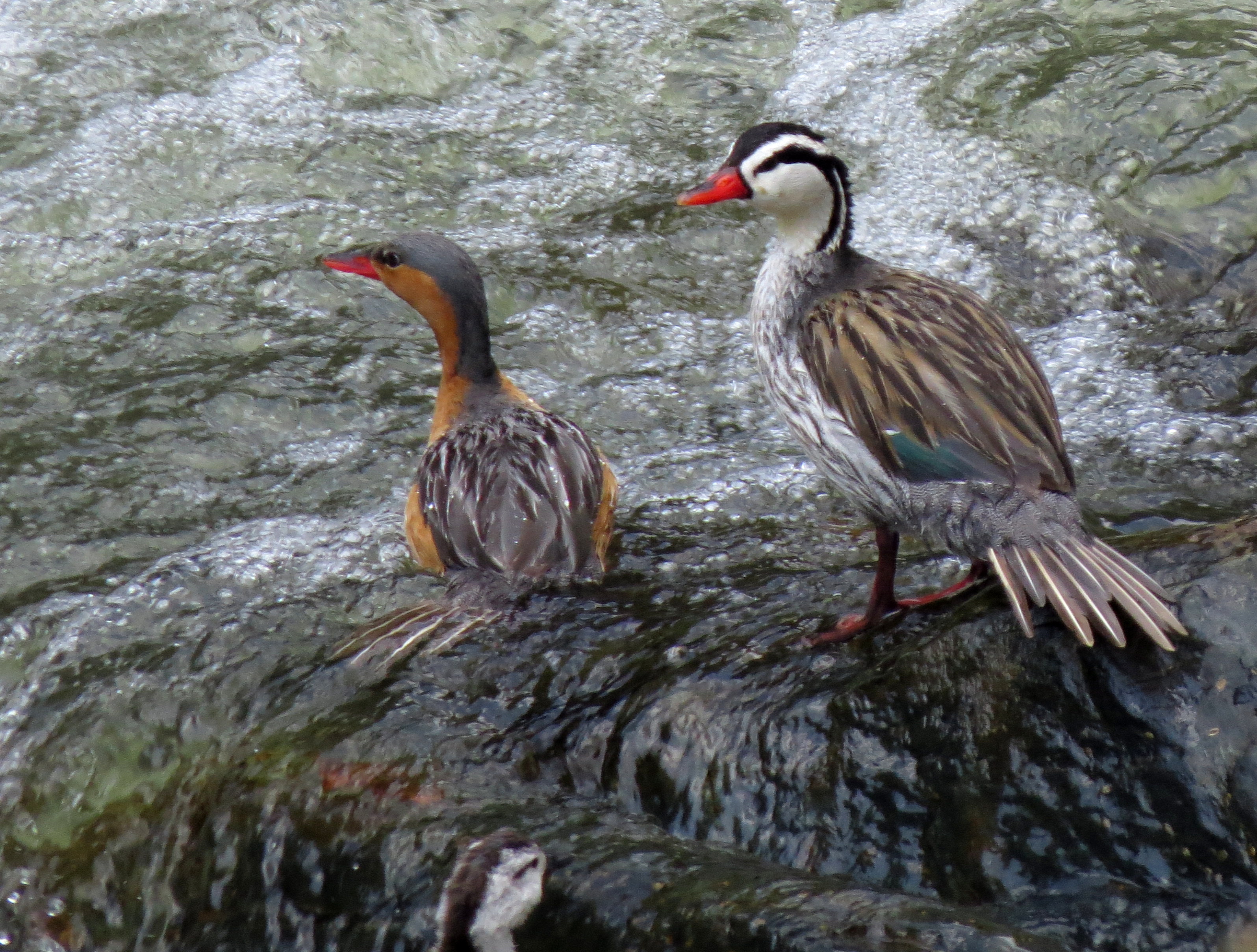
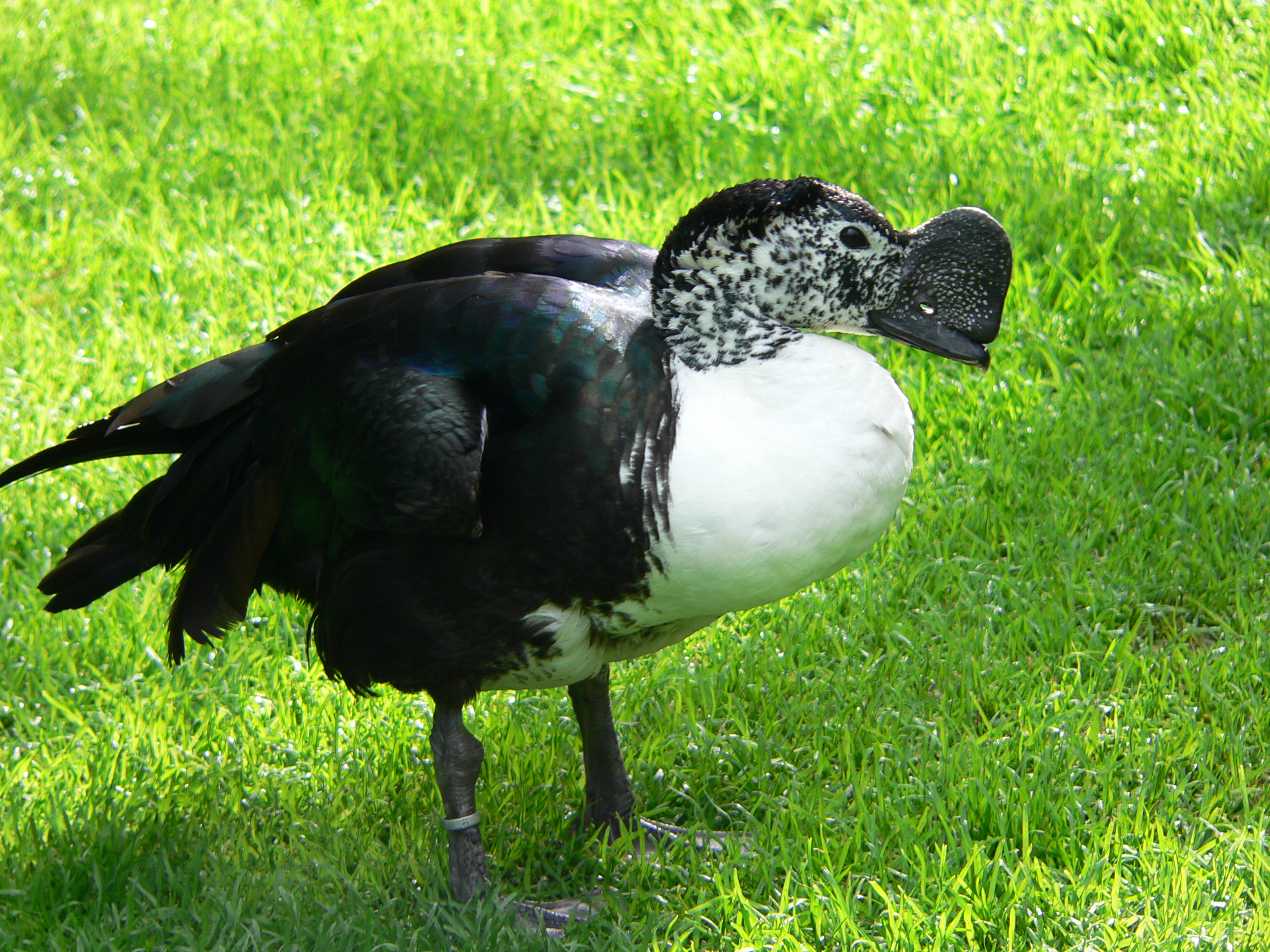
Other threatened species in Anatidae


Threatened in Åland Islands


Frequently asked questions
Why is Red-crested Pochard classified as Critically Endangered?
Where does Red-crested Pochard live?
What are the main threats to Red-crested Pochard?
Get weekly conservation intelligence
One short digest a week of the most striking species and country data we ship, plus breaking conservation news paired with our database where it matters.
Free, no spam. One-click unsubscribe in every email.