
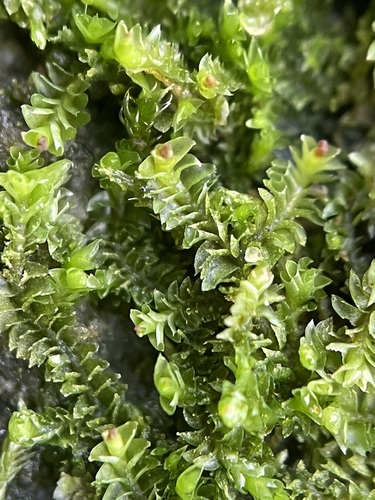
Reddish Notchwort
Lophozia longiflora
Photo: Photo: Königl. Bayer. Botanische Gesellschaft zu Regensburg via Wikimedia Commons No restrictions
Overview
A detailed profile for this species is sourced from the IUCN Red List of Threatened Species as assessments become available.
Reddish Notchwort faces severe threats from habitat loss due to development, pollution, and climate change impacts on its specialized bryophyte communities. The species' extremely limited distribution and specific microhabitat requirements make it particularly vulnerable to environmental disturbances and fragmentation of suitable sites.
Habitat
Occupies moist, acidic substrates including rotting logs, peat soils, and wet rock surfaces in boreal and montane regions. Typically found in undisturbed coniferous forests, bogs, and alpine areas where consistent moisture and specific pH conditions are maintained.
Other threatened species in Lophoziaceae
Frequently asked questions
Why is Reddish Notchwort classified as Critically Endangered?
Where does Reddish Notchwort live?
What are the main threats to Reddish Notchwort?
Get weekly conservation intelligence
One short digest a week of the most striking species and country data we ship, plus breaking conservation news paired with our database where it matters.
Free, no spam. One-click unsubscribe in every email.