
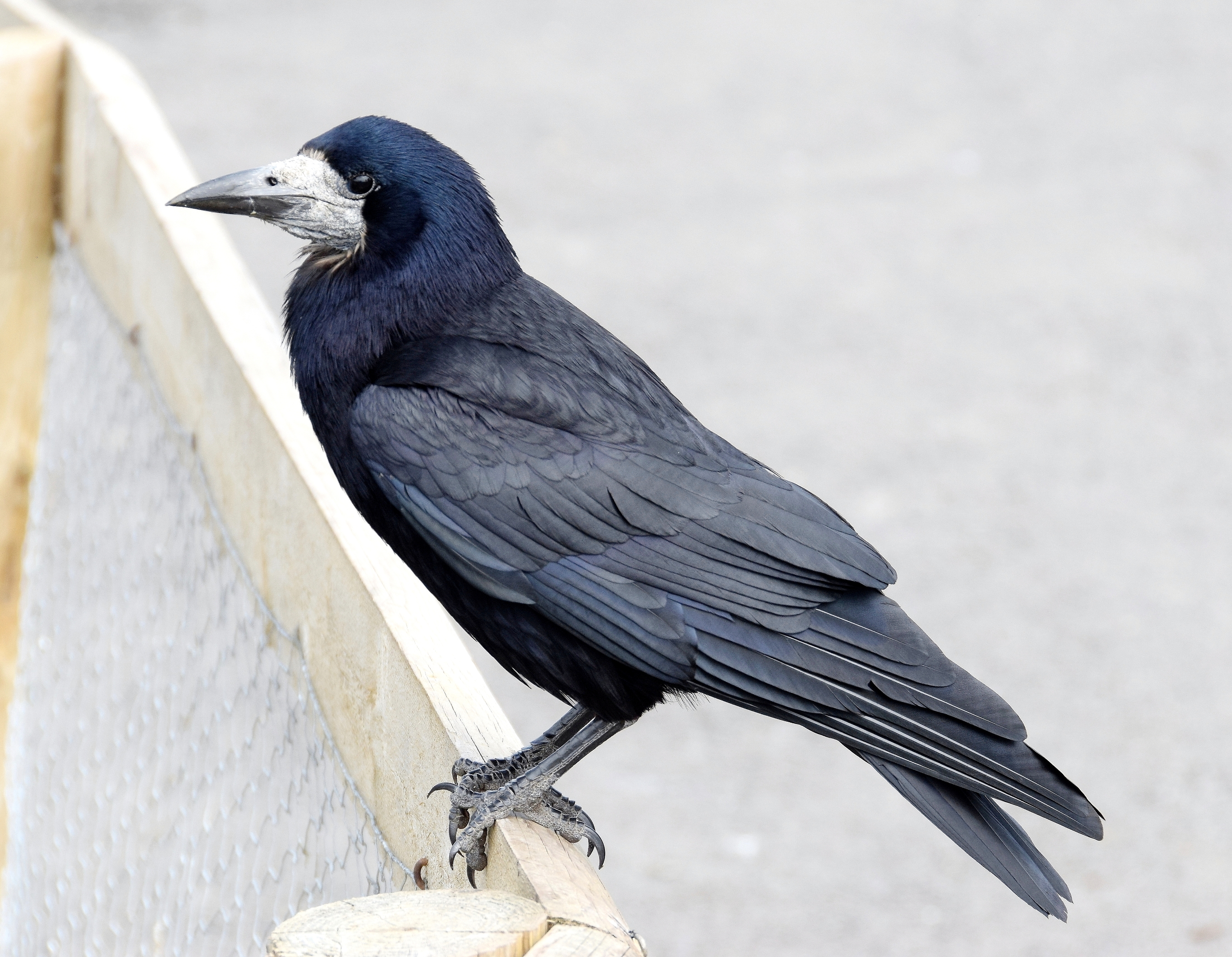
Raven
Corvus corax
Photo: Wikimedia Commons (CC) via https://en.wikipedia.org/wiki/Common_raven
Overview
A detailed profile for this species is sourced from the IUCN Red List of Threatened Species as assessments become available.
The Common Raven faces mounting pressure from habitat fragmentation and human persecution, particularly in agricultural regions where they are viewed as livestock predators. Climate change is altering their traditional food sources and nesting sites, while increased urbanization reduces available wilderness areas. Poisoning campaigns targeting corvids and collisions with wind turbines represent emerging threats to local populations.
Habitat
Ravens occupy diverse habitats including boreal and temperate forests, mountainous regions, coastal areas, and increasingly urban environments. They prefer areas with cliffs or tall trees for nesting, combined with open foraging grounds such as grasslands, agricultural fields, and tundra.
Other threatened species in Corvidae



Frequently asked questions
Why is Raven classified as Vulnerable?
Where does Raven live?
What are the main threats to Raven?
Get weekly conservation intelligence
One short digest a week of the most striking species and country data we ship, plus breaking conservation news paired with our database where it matters.
Free, no spam. One-click unsubscribe in every email.