Lepiota ochraceofulva
Overview
A detailed profile for this species is sourced from the IUCN Red List of Threatened Species as assessments become available.
Lepiota ochraceofulva faces significant pressure from habitat degradation in its specialized woodland environments. The species' dependence on specific soil conditions and mycorrhizal relationships makes it particularly vulnerable to forest management practices and soil disturbance. Climate change poses an additional threat by altering the delicate moisture and temperature regimes required for fruiting body development.
Habitat
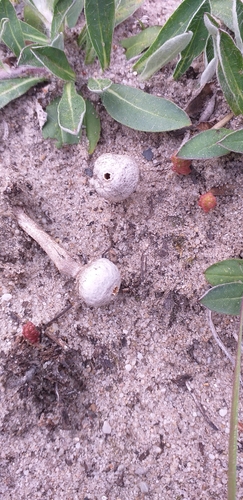
This rare mushroom species inhabits deciduous and mixed woodlands, typically growing in humus-rich soils under beech, oak, and other broadleaf trees. It forms important mycorrhizal associations with tree roots and requires specific soil chemistry and moisture conditions for successful reproduction.
Other threatened species in Agaricaceae


Frequently asked questions
Why is Lepiota ochraceofulva classified as Vulnerable?
Where does Lepiota ochraceofulva live?
What are the main threats to Lepiota ochraceofulva?
Get weekly conservation intelligence
One short digest a week of the most striking species and country data we ship, plus breaking conservation news paired with our database where it matters.
Free, no spam. One-click unsubscribe in every email.