Obscure Domecap
Calocybe obscurissima
Overview
A detailed profile for this species is sourced from the IUCN Red List of Threatened Species as assessments become available.
The Obscure Domecap faces severe population decline due to the destruction of its specialized old-growth forest habitat through logging and agricultural conversion. Climate change compounds these pressures by altering the delicate moisture and temperature conditions required for fruiting body development. The species' extremely limited distribution makes it particularly vulnerable to localized habitat disturbances and environmental changes.
Habitat
The Obscure Domecap is restricted to undisturbed old-growth deciduous and mixed forests with rich, well-drained soils and dense leaf litter. It typically fruits in small clearings or forest edges where filtered sunlight creates optimal moisture conditions for mycelial development.
Other threatened species in Lyophyllaceae
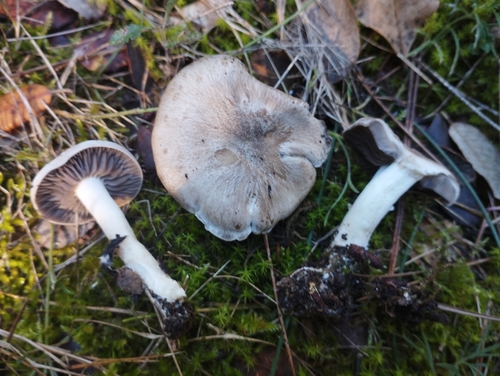
Threatened in Austria
Frequently asked questions
Why is Obscure Domecap classified as Endangered?
Where does Obscure Domecap live?
What are the main threats to Obscure Domecap?
Get weekly conservation intelligence
One short digest a week of the most striking species and country data we ship, plus breaking conservation news paired with our database where it matters.
Free, no spam. One-click unsubscribe in every email.