
Serotine
Eptesicus serotinus
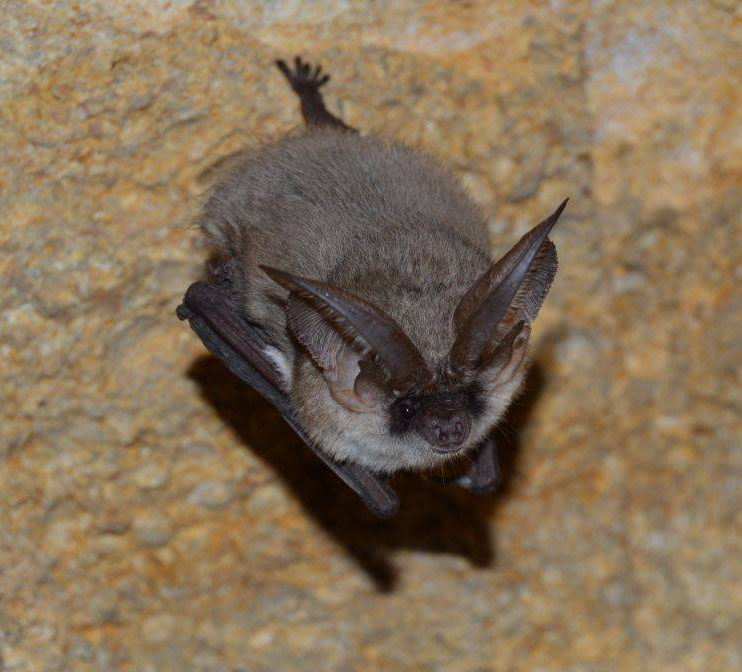
Photo: Wikimedia Commons (CC) via https://en.wikipedia.org/wiki/Serotine_bat
Overview
The Serotine Bat is a large European bat species with a wingspan reaching 35-38 cm and distinctive golden-brown fur. These nocturnal mammals emerge late in the evening to hunt beetles, moths, and other flying insects using echolocation. As aerial insectivores, they provide significant pest control services, consuming thousands of insects nightly and helping maintain ecological balance in agricultural and urban environments.
Serotine Bats inhabit an exceptionally broad range spanning Europe, Asia, and parts of Africa, from the United Kingdom to South Korea and extending south to South Africa. They demonstrate remarkable habitat adaptability, roosting in buildings, tree cavities, and rock crevices across diverse terrestrial environments including woodlands, farmland, parks, and urban areas.
Despite their wide distribution, Serotine Bats face mounting pressures from habitat fragmentation and building renovations that destroy roost sites. Intensive agriculture reduces insect prey availability, while artificial lighting disrupts their nocturnal foraging patterns. Climate change may be altering insect emergence timing, potentially creating mismatches with bat breeding cycles. Wind turbines pose collision risks in some regions.
Conservation efforts focus on protecting known roost sites through building surveys and legal protections. Several European countries have implemented bat-friendly building guidelines and created wildlife corridors to connect fragmented habitats. Monitoring programs track population trends, though comprehensive data remains limited across much of their range.
The species' current trajectory remains uncertain due to insufficient population data. While their adaptability to human-modified landscapes provides some resilience, continued habitat loss and emerging threats suggest ongoing vulnerability without sustained conservation intervention.
The Serotine Bat faces significant population declines primarily due to habitat loss from agricultural intensification and urban development, which reduces both roosting sites and insect prey availability. Additional pressures include building renovations that destroy roost sites, pesticide use that depletes food sources, and climate change affecting insect populations and hibernation patterns.
Habitat
Other threatened species in Vespertilionidae


Threatened in Afghanistan

Frequently asked questions
Why is Serotine classified as Vulnerable?
Where does Serotine live?
What are the main threats to Serotine?
Get weekly conservation intelligence
One short digest a week of the most striking species and country data we ship, plus breaking conservation news paired with our database where it matters.
Free, no spam. One-click unsubscribe in every email.