Scarce Heath
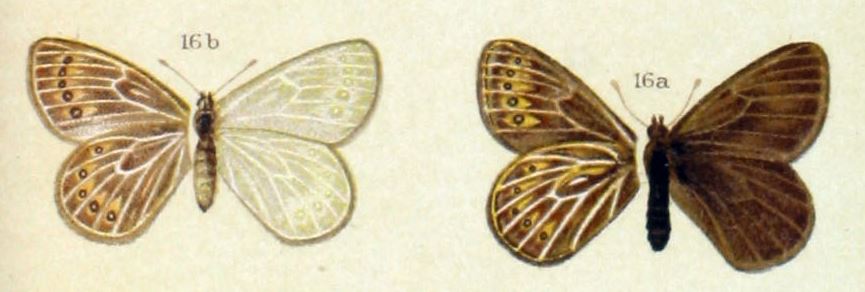
Coenonympha hero
Overview
A detailed profile for this species is sourced from the IUCN Red List of Threatened Species as assessments become available.
The Scarce Heath faces severe population declines across its European range due to the loss and degradation of its specialized wetland habitats. Agricultural intensification, drainage of peat bogs, and abandonment of traditional low-intensity grazing have eliminated crucial breeding sites. Climate change poses an additional threat by altering the hydrology of remaining bog ecosystems and shifting suitable habitat zones northward faster than the species can adapt.
Habitat
The Scarce Heath inhabits wet heathlands, peat bogs, and marshy grasslands with abundant sedges and grasses, particularly areas with Purple Moor-grass (Molinia caerulea). It requires traditionally managed, extensively grazed wetlands that maintain the specific microhabitat conditions needed for its larval development.
Other threatened species in Nymphalidae


Threatened in Austria
Frequently asked questions
Why is Scarce Heath classified as Vulnerable?
Where does Scarce Heath live?
What are the main threats to Scarce Heath?
Get weekly conservation intelligence
One short digest a week of the most striking species and country data we ship, plus breaking conservation news paired with our database where it matters.
Free, no spam. One-click unsubscribe in every email.