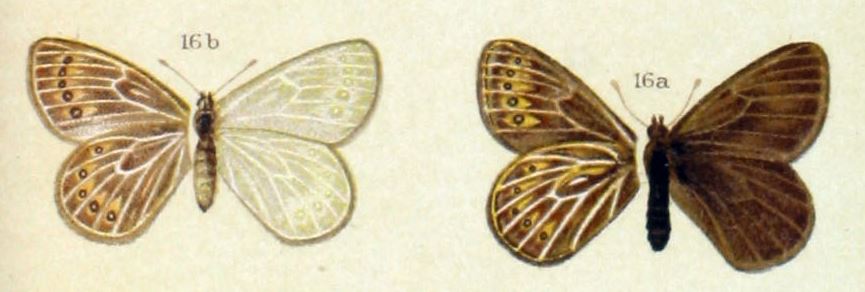
Altopedaliodes albonotata
Overview
A detailed profile for this species is sourced from the IUCN Red List of Threatened Species as assessments become available.
Altopedaliodes albonotata faces severe pressure from habitat destruction as cloud forests in the Colombian Andes are cleared for agriculture and cattle ranching. The species' extremely restricted range makes it particularly vulnerable to localized environmental changes and climate-driven shifts in cloud forest zones. Mining activities and infrastructure development in montane regions further fragment the remaining suitable habitat patches.
Habitat
This butterfly inhabits cloud forests and humid montane forests in the Colombian Andes, typically at elevations between 2,000-3,000 meters. It requires the specific microclimate conditions of persistent cloud cover and high humidity found in these threatened Andean ecosystems.
Other threatened species in Nymphalidae


Frequently asked questions
Why is Altopedaliodes albonotata classified as Endangered?
Where does Altopedaliodes albonotata live?
What are the main threats to Altopedaliodes albonotata?
Get weekly conservation intelligence
One short digest a week of the most striking species and country data we ship, plus breaking conservation news paired with our database where it matters.
Free, no spam. One-click unsubscribe in every email.