Attalea nucifera
Overview
A detailed profile for this species is sourced from the IUCN Red List of Threatened Species as assessments become available.
Attalea nucifera faces severe pressure from agricultural expansion and cattle ranching across its Atlantic Forest range in Brazil. Coastal development and urbanization have fragmented remaining populations, while the species' slow growth rate and limited dispersal ability make recovery particularly challenging. Palm heart harvesting for local consumption adds additional pressure on adult reproductive individuals.
Habitat
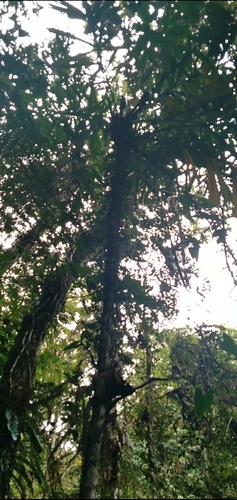
This palm species is endemic to the Atlantic Forest (Mata Atlântica) of southeastern Brazil, occurring in coastal lowland forests and restinga vegetation. It typically grows in sandy soils near the coast and in forest edges where it can access adequate sunlight for reproduction.
Other threatened species in Arecaceae
Frequently asked questions
Why is Attalea nucifera classified as Vulnerable?
Where does Attalea nucifera live?
What are the main threats to Attalea nucifera?
Get weekly conservation intelligence
One short digest a week of the most striking species and country data we ship, plus breaking conservation news paired with our database where it matters.
Free, no spam. One-click unsubscribe in every email.