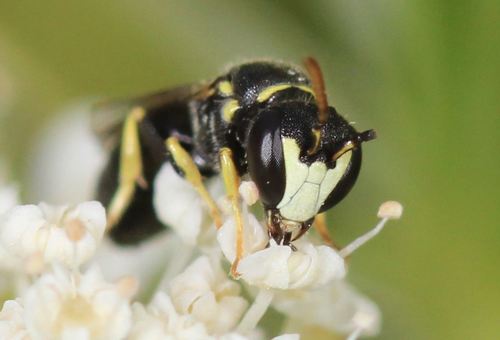
Hylaeus difformis
Overview
A detailed profile for this species is sourced from the IUCN Red List of Threatened Species as assessments become available.
Hylaeus difformis faces significant pressure from habitat degradation and fragmentation of its specialized nesting sites in coastal and semi-arid environments. The species' narrow ecological requirements make it particularly vulnerable to land-use changes, urban development, and agricultural intensification. Climate change poses additional risks through altered precipitation patterns that could affect the plant communities this bee depends on for foraging and nesting substrate.
Habitat
This specialized bee inhabits coastal scrublands, semi-arid grasslands, and open woodlands where it nests in hollow plant stems and dead wood. The species shows strong preference for areas with diverse native flowering plants and requires specific microhabitat conditions for successful reproduction.
Other threatened species in Colletidae


Threatened in Austria
Frequently asked questions
Why is Hylaeus difformis classified as Vulnerable?
Where does Hylaeus difformis live?
What are the main threats to Hylaeus difformis?
Get weekly conservation intelligence
One short digest a week of the most striking species and country data we ship, plus breaking conservation news paired with our database where it matters.
Free, no spam. One-click unsubscribe in every email.