Lamprologus kungweensis
Overview
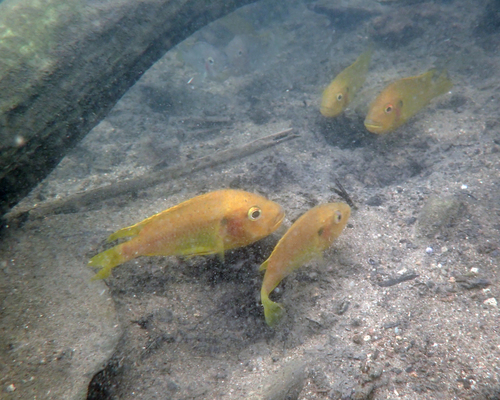
Lamprologus kungweensis, commonly known as Täpläkotiloahven, is a small cichlid fish endemic to Lake Tanganyika in East Africa. This freshwater species belongs to the diverse Lamprologus genus, which includes numerous endemic cichlids found exclusively in this ancient rift lake. The species exhibits typical cichlid characteristics including parental care behaviors and territorial tendencies.
Lake Tanganyika, one of the world's oldest and deepest lakes, supports exceptional biodiversity with high levels of endemism among its fish communities. L. kungweensis occupies specific ecological niches within the lake's complex habitat structure.
The species is currently classified as Critically Endangered by the IUCN, indicating an extremely high risk of extinction in the wild. Primary threats to this endemic cichlid include habitat degradation, water quality changes, and potential impacts from human activities around the lake basin. Sedimentation from agricultural runoff and deforestation in the watershed can alter water clarity and substrate composition, affecting the species' breeding and feeding habitats.
Overfishing of the lake ecosystem, while not directly targeting this species, can disrupt food webs and ecological balance. Climate change may also influence water levels and temperature patterns in Lake Tanganyika. Conservation efforts for L.
kungweensis are limited, with protection primarily dependent on broader Lake Tanganyika conservation initiatives. Research into the species' specific ecological requirements and population status remains insufficient for developing targeted conservation strategies.
Lamprologus kungweensis faces threats from habitat degradation caused by sedimentation and water quality changes in Lake Tanganyika. Human activities including agriculture and deforestation in the lake's watershed contribute to environmental pressures on this endemic species.
Habitat
This species is endemic to Lake Tanganyika in East Africa, inhabiting the rocky and sandy substrates of this ancient rift lake. The fish occupies specific microhabitats within the lake's complex benthic environment.
Other threatened species in Cichlidae


Threatened in Burundi

Frequently asked questions
Why is Lamprologus kungweensis classified as Critically Endangered?
Where does Lamprologus kungweensis live?
What are the main threats to Lamprologus kungweensis?
Get weekly conservation intelligence
One short digest a week of the most striking species and country data we ship, plus breaking conservation news paired with our database where it matters.
Free, no spam. One-click unsubscribe in every email.