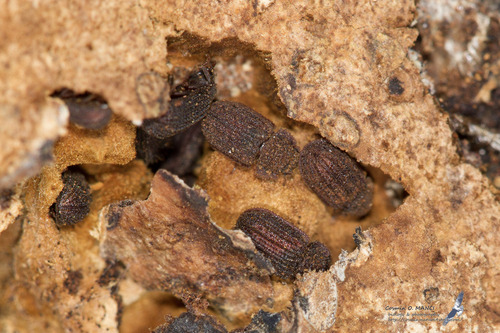
Eledonoprius armatus
Photo: Photo: (c) Cosmin Manci, some rights reserved (CC BY-NC), uploaded by Cosmin Manci
Overview
A detailed profile for this species is sourced from the IUCN Red List of Threatened Species as assessments become available.
Eledonoprius armatus faces severe population declines due to widespread habitat destruction from deforestation and agricultural expansion across its limited range. The species' dependence on old-growth forest ecosystems makes it particularly vulnerable to logging activities and forest fragmentation, while its specialized ecological requirements limit its ability to adapt to modified landscapes.
Habitat
This species inhabits mature deciduous and mixed forests, particularly favoring old-growth woodland areas with abundant dead wood and decaying organic matter. It is typically found in forest ecosystems with well-developed canopy structure and rich understory vegetation.
Other threatened species in Tenebrionidae


Frequently asked questions
Why is Eledonoprius armatus classified as Critically Endangered?
Where does Eledonoprius armatus live?
What are the main threats to Eledonoprius armatus?
Get weekly conservation intelligence
One short digest a week of the most striking species and country data we ship, plus breaking conservation news paired with our database where it matters.
Free, no spam. One-click unsubscribe in every email.