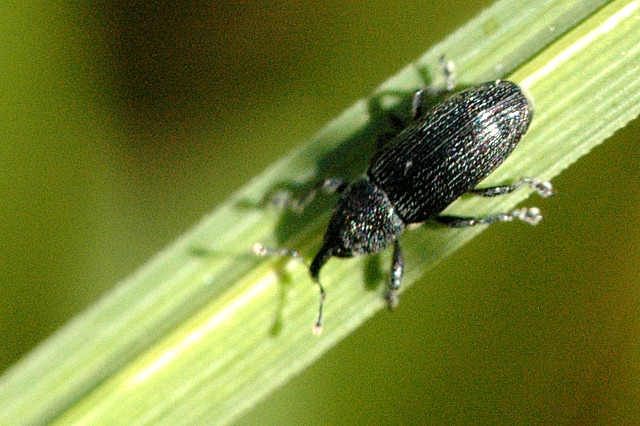
Bagous lutulosus
Overview
A detailed profile for this species is sourced from the IUCN Red List of Threatened Species as assessments become available.
Bagous lutulosus faces severe habitat degradation due to wetland drainage and agricultural intensification across its limited Scandinavian range. The species' dependence on specific aquatic plant hosts makes it particularly vulnerable to water quality changes and eutrophication from agricultural runoff. Climate change poses an additional threat by altering the hydrology of its specialized wetland habitats.
Habitat
This specialized weevil inhabits freshwater wetlands, marshes, and shallow lake margins where it feeds on aquatic and semi-aquatic plants. The species requires clean, nutrient-poor waters with abundant emergent vegetation, particularly sedges and rushes that serve as both food sources and breeding sites.
Other threatened species in Curculionidae

Threatened in Åland Islands


Frequently asked questions
Why is Bagous lutulosus classified as Vulnerable?
Where does Bagous lutulosus live?
What are the main threats to Bagous lutulosus?
Get weekly conservation intelligence
One short digest a week of the most striking species and country data we ship, plus breaking conservation news paired with our database where it matters.
Free, no spam. One-click unsubscribe in every email.