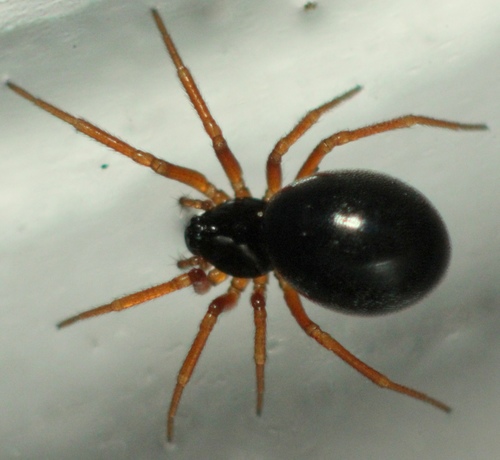
Threefront Dwarf Weaver
Baryphyma trifrons
Photo: Photo: (c) cheins1, all rights reserved, uploaded by cheins1
Overview
Baryphyma trifrons, commonly known as svepeedderkopp, is a critically endangered spider species with extremely limited distribution and poorly understood ecology. This arachnid is characterized by its distinctive three-fronted cephalothorax structure, from which its scientific name derives. The species inhabits specialized microhabitats within fragmented ecosystems, where it occupies a narrow ecological niche that makes it particularly vulnerable to environmental changes.
Current knowledge of its biology, behavior, and reproductive patterns remains limited due to the rarity of encounters and the challenges associated with studying such an elusive species. The primary threats to B. trifrons include habitat destruction, fragmentation of its already restricted range, and potential impacts from climate change affecting its specialized habitat requirements.
The species' small population size and limited dispersal capabilities compound these threats, creating a precarious conservation situation. Conservation efforts are hampered by the lack of comprehensive data on population size, distribution patterns, and specific habitat needs. Research initiatives are focusing on habitat mapping, population surveys, and understanding the species' ecological requirements to inform targeted conservation strategies.
Protection of remaining habitat patches and restoration of degraded areas within its historical range are considered priority actions. The species serves as an indicator of ecosystem health within its specialized habitat, making its conservation important for broader biodiversity protection efforts in the region.
Baryphyma trifrons faces severe threats from habitat destruction and fragmentation within its already extremely limited range. Climate change poses additional risks by potentially altering the specific environmental conditions required by this specialized species. The combination of small population size and restricted distribution makes the species highly vulnerable to local extinctions.
Habitat
Baryphyma trifrons occupies highly specialized microhabitats within fragmented ecosystems, requiring specific environmental conditions that remain poorly understood. The species appears to have very narrow habitat tolerances, contributing to its restricted distribution and vulnerability to environmental changes.
Other threatened species in Linyphiidae
Threatened in Belgium

Frequently asked questions
Why is Threefront Dwarf Weaver classified as Critically Endangered?
Where does Threefront Dwarf Weaver live?
What are the main threats to Threefront Dwarf Weaver?
Get weekly conservation intelligence
One short digest a week of the most striking species and country data we ship, plus breaking conservation news paired with our database where it matters.
Free, no spam. One-click unsubscribe in every email.