Mekong Giant Catfish: Global Protection Gaps
A New Push for Migratory Fish Protections
A peer-reviewed paper out of the University of Nevada, Reno has put a spotlight on one of freshwater conservation's most overlooked gaps: migratory fish are chronically underrepresented in international wildlife treaties. According to the research, only a couple dozen migratory freshwater fish species currently receive protection under the Convention on Migratory Species (CMS), the United Nations treaty designed to safeguard animals that cross national borders — even though researchers say hundreds more populations meet the scientific criteria for listing.
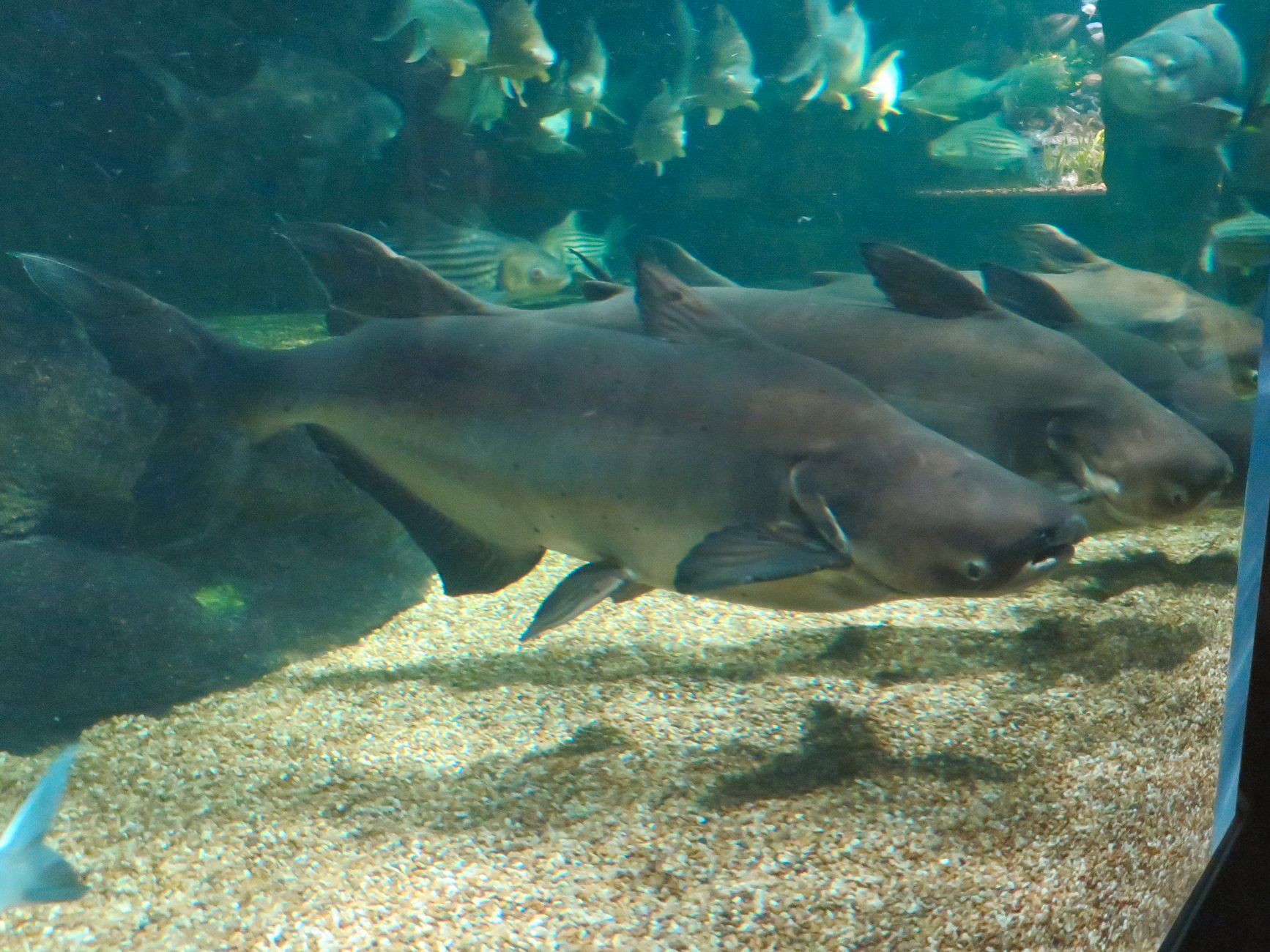
Among the small number of species already covered is the Mekong giant catfish, one of the largest freshwater fish on Earth and a species now classified as Critically Endangered on the IUCN Red List. Its inclusion has done little to reverse its fortunes, and researchers argue that its case illustrates exactly why the current international framework is falling short — protection on paper has not translated into recovery in the water.
The paper's authors are calling for a substantial expansion of CMS listings ahead of COP15, the treaty's next Conference of the Parties, scheduled to convene in Brazil. They argue that freshwater migratory species — which depend on unobstructed river corridors that frequently cross multiple countries — are structurally disadvantaged compared to migratory birds and marine mammals, which have historically dominated the CMS agenda.

Why the Mekong Giant Catfish Matters as a Case Study
Few species make the argument for cross-border freshwater protection as clearly as Pangasianodon gigas. Native to the Mekong basin across Southeast Asia and adjacent parts of China, this member of the shark catfish family once migrated vast distances between feeding grounds and spawning sites, timing its movements to the river's seasonal flood pulse. That life history — long-distance, transboundary, and precisely tuned to a natural hydrological rhythm — is exactly the pattern the CMS was designed to protect.
But the catfish's population has collapsed under a combination of pressures that a treaty listing alone cannot fix. Dam construction across the Mekong River system has fragmented the migration corridors the species depends on, blocking access to spawning grounds and altering the river's flow regime. Overfishing has stripped away much of what remained of wild populations, even as the species has become a symbol of conservation concern across the region. Habitat degradation compounds the damage: sand mining, agricultural runoff, and pollution have degraded water quality in nursery habitat, while climate change is reshaping the seasonal flooding patterns the species' reproduction has relied on for millennia.
The result is a species whose CMS status has not been matched by coordinated action among the countries that share the Mekong. Researchers behind the new paper say this mismatch — a listing without teeth — is common among freshwater migratory species and helps explain why so few have been added to the treaty's protected lists in the first place.
What This Status Gap Means
The CMS works by asking signatory nations to cooperate on protecting species that migrate across their shared borders, through joint monitoring, habitat agreements, and coordinated fishing or development restrictions. For a species like the Mekong giant catfish, that would mean neighboring countries aligning on dam operation, fishing bans, and habitat restoration along the same river system. Instead, researchers describe a pattern of fragmented governance where upstream infrastructure decisions in one country routinely undermine species already struggling downstream.
Expanding the number of listed species won't by itself rebuild fish populations, but the paper's authors argue it would create diplomatic and legal pressure points that currently don't exist. Ahead of COP15 in Brazil, advocates are pushing for:
- Formal review and expansion of CMS Appendix listings to include more migratory freshwater fish species that meet scientific criteria
- Stronger cooperative agreements between countries sharing major river basins, modeled on existing frameworks for migratory birds
- Increased funding and monitoring commitments tied to treaty membership, rather than symbolic listing alone
- Greater consideration of dam and infrastructure planning within the scope of migratory species agreements
The Wider Picture for Freshwater Species
Freshwater ecosystems host a disproportionate share of the planet's vertebrate biodiversity relative to their surface area, yet they consistently receive less conservation funding and treaty attention than marine or terrestrial systems. Migratory fish are especially exposed because their survival depends on connectivity — a single dam or diversion anywhere along a river can sever a population's access to essential habitat, regardless of how well protected the rest of the watershed might be.
The Mekong giant catfish's Critically Endangered status reflects decades of this kind of cumulative pressure. Its story is not an outlier so much as a preview of what awaits other large migratory freshwater species still absent from international agreements, unless the pace of formal protection accelerates.
Outlook Ahead of COP15
Whether COP15 delivers the expanded listings researchers are calling for remains uncertain, but the paper adds fresh scientific weight to arguments that freshwater migratory fish have been systematically underprioritized. For a species as emblematic — and as imperiled — as the Mekong giant catfish, any strengthening of cross-border cooperation could matter for what remains of its population in the wild.
Methodology note: Species and conservation status data referenced here are drawn from SpeciesRadar's database (speciesradar.org), which compiles IUCN Red List assessments alongside national and international conservation listings. Source: original report.
Frequently Asked Questions
What is the CMS treaty?
The Convention on Migratory Species is a United Nations environmental treaty that coordinates international protections for animals that cross national borders during migration, including birds, mammals, and fish.
Why is the Mekong giant catfish Critically Endangered?
Its decline stems from dam construction blocking migration routes, overfishing, and habitat degradation from sand mining, pollution, and agricultural runoff, compounded by climate-driven changes to seasonal flooding.
How many migratory freshwater fish are currently protected under CMS?
According to the new research, only around two dozen migratory freshwater fish species are currently listed, despite hundreds more meeting the scientific criteria for protection.
What could change at COP15?
Advocates are pushing for expanded CMS Appendix listings and stronger cross-border cooperation agreements when parties meet in Brazil, though outcomes remain uncertain.
Get weekly conservation intelligence
One short digest a week of the most striking species and country data we ship, plus breaking conservation news paired with our database where it matters.
Free, no spam. One-click unsubscribe in every email.