Giant Otter Gains New Global Protections
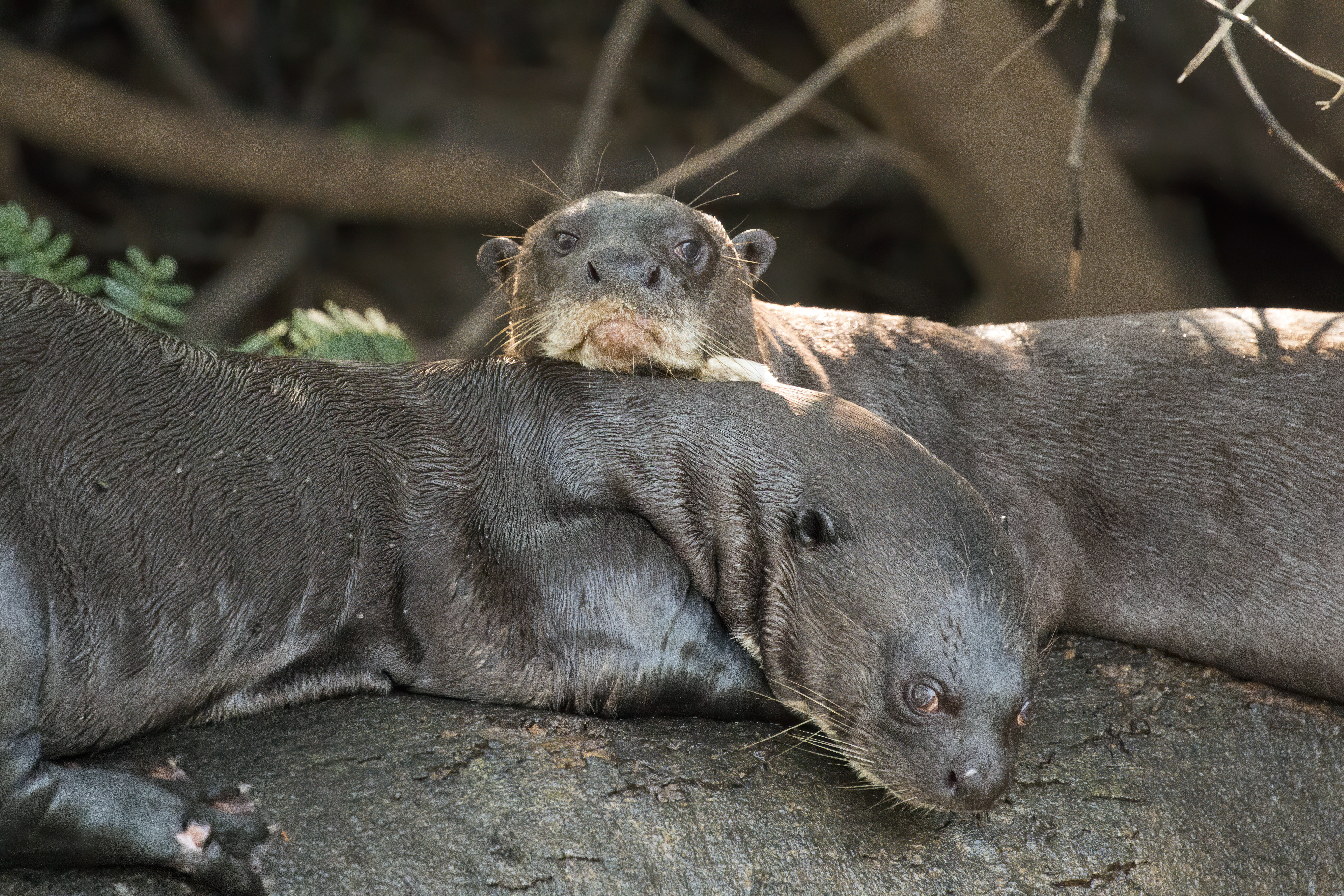
A New Layer of Protection for South America's River Sentinel
The giant otter, one of South America's most charismatic freshwater predators, has been added to both appendices of the United Nations Convention on Migratory Species (CMS), following a vote at the treaty's March 2026 meeting held in Brazil. The listing marks a significant escalation in the international response to a species that has quietly slipped toward extinction across large stretches of its Amazonian and Pantanal range.
Being placed on both CMS appendices is notable: Appendix I obliges signatory nations to strictly protect the species and its habitat, while Appendix II encourages range states to negotiate coordinated regional agreements for its management. Few species receive dual listing, and the decision signals that delegates view the giant otter's decline as both severe and transboundary — a problem no single country can solve alone.
According to the Mongabay report that first detailed the decision, the giant otter population has fallen by roughly half over the past 25 years, driven by habitat degradation, hunting, and water pollution linked to mining and agricultural runoff. That trajectory places the species squarely within the Endangered category on the IUCN Red List — the classification our database also assigns to Pteronura brasiliensis, reflecting a consistent picture of a species under sustained pressure across its range.
What the Listing Actually Changes
A CMS listing does not, by itself, halt bulldozers or ban hunting. What it does is create binding and semi-binding frameworks that range states — including Brazil, Peru, Bolivia, Colombia, Ecuador, and others sharing Amazonian and Orinoco watersheds — are now expected to act within. In practice, that typically means:
- Coordinated habitat protection across river systems that cross national borders, rather than piecemeal, country-by-country conservation
- Formal reporting obligations to CMS on population trends and threats, increasing transparency and international scrutiny
- A platform for negotiating a dedicated regional agreement or action plan specifically for the species, similar to those developed for other migratory megafauna
- Greater leverage for conservation NGOs and local governments seeking funding tied to international treaty commitments
- Increased diplomatic pressure on activities such as illegal gold mining, which pollutes rivers with mercury and directly degrades otter habitat
For a species whose entire life history is tied to healthy, connected river networks, this kind of cross-border coordination matters more than for animals confined to a single country's jurisdiction. Giant otters live in extended family groups along riverbanks, and their territories often span stretches of water that cross political boundaries as those rivers wind through multiple nations.
The Wider Conservation Picture
The giant otter's story is emblematic of a broader crisis facing freshwater apex predators. Unlike many high-profile mammals, giant otters sit at the top of an aquatic food web that also includes fish stocks vital to human communities. Their presence — or absence — is often read by biologists as a proxy for overall river health, earning them the nickname "river sentinels" referenced in recent reporting on the listing.
Species profiles on SpeciesRadar track the giant otter (Endangered) alongside other freshwater and wetland specialists whose fates are closely tied to water quality and river connectivity. You can explore the full giant otter species profile for more on its distribution, threats, and status history. The pattern seen in the otter — steep decline tied to mining pollution, deforestation-driven habitat loss, and direct persecution from fishing communities who see otters as competitors for fish — recurs across many of the freshwater mammals and reptiles logged in our database, underscoring that river ecosystems face compounding pressures rather than a single dominant threat.

Why Hunting and Pollution Persist
Historically, giant otters were hunted heavily for their pelts through the mid-20th century, a trade that collapsed populations across much of their range before international fur trade restrictions took hold. Today the more persistent threats are indirect: mercury contamination from small-scale gold mining, sedimentation from deforestation, and retaliatory killing by fishers who blame otters for depleted catches. These pressures are harder to regulate than the historic fur trade because they are diffuse, often informal, and embedded in local economies — precisely the kind of challenge a coordinated, multi-country framework like the new CMS listing is designed to address.
Outlook
Conservationists caution that the CMS listing is a beginning, not a solution. Its real impact will depend on whether Brazil and neighboring range states translate the designation into enforceable protections, funded monitoring programs, and genuine cross-border cooperation on mining and water-quality regulation. Past CMS listings for other migratory species have had mixed records, succeeding where political will and funding followed the paperwork, and stalling where they didn't.
Still, for a species that has lost half its numbers in a generation, the listing offers a rare moment of international attention and a legal foothold for advocates pushing for stronger river protections across the Amazon, Pantanal, and Orinoco basins.
Frequently Asked Questions
What does it mean for a species to be listed on the CMS appendices?
It means signatory countries commit to protecting the species and, in the case of Appendix II, to pursuing coordinated regional agreements for its conservation across the countries it inhabits.
What is the giant otter's current IUCN status?
The giant otter is classified as Endangered on the IUCN Red List, reflecting population declines driven by habitat loss, hunting pressure, and pollution.
Why are giant otters called "river sentinels"?
Because they sit at the top of freshwater food chains, their population health is often used by scientists as an indicator of overall river and wetland ecosystem quality.
Which countries are responsible for protecting giant otters under this listing?
All CMS range states sharing the species' Amazonian, Orinoco, and Pantanal habitats — including Brazil, Peru, Bolivia, Colombia, and Ecuador — now carry obligations under the treaty framework.
Get weekly conservation intelligence
One short digest a week of the most striking species and country data we ship, plus breaking conservation news paired with our database where it matters.
Free, no spam. One-click unsubscribe in every email.