
Shetland Pondweed
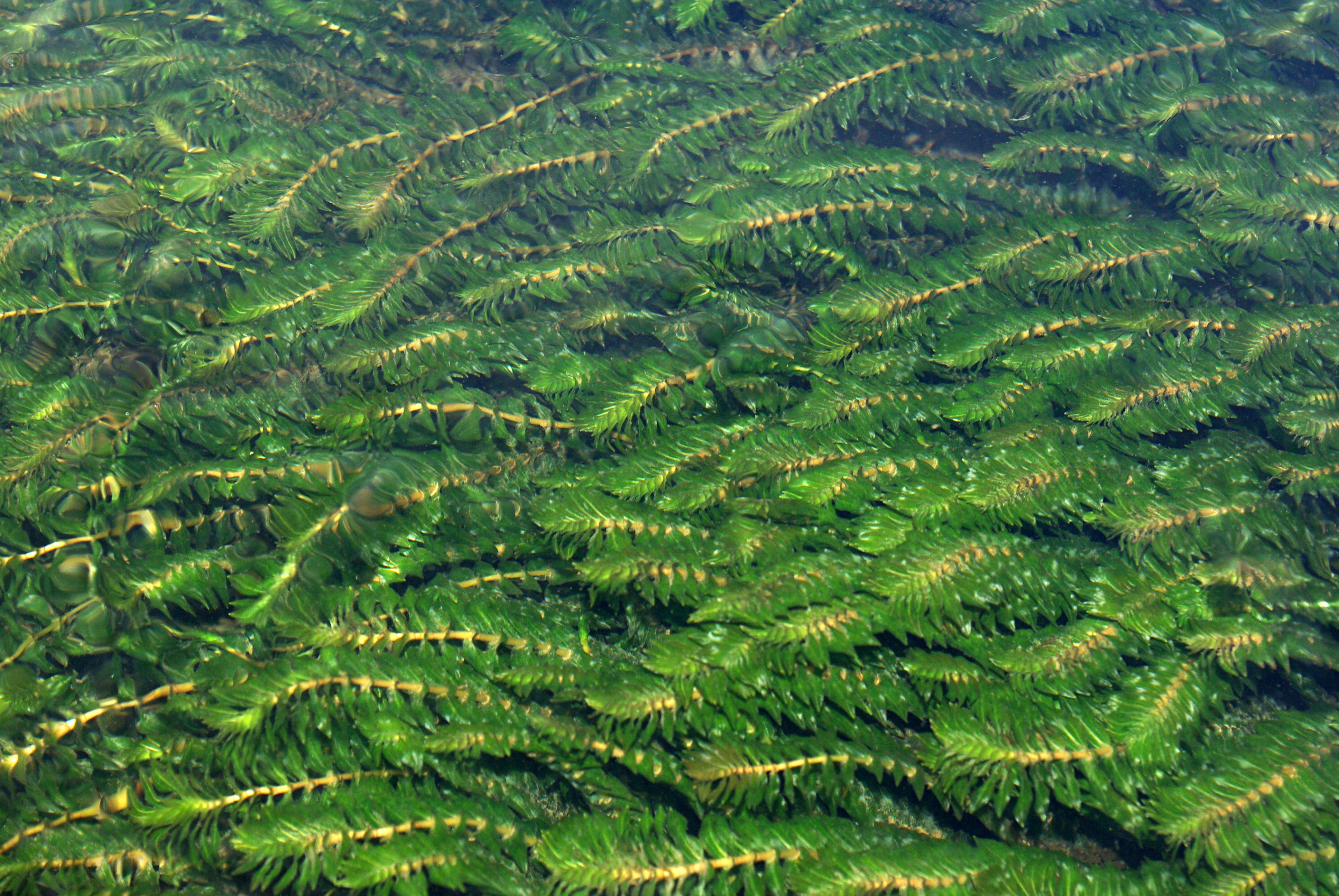
Potamogeton rutilus
Photo: Wikimedia Commons (CC) via https://en.wikipedia.org/wiki/Potamogeton_rutilus
Overview
A detailed profile for this species is sourced from the IUCN Red List of Threatened Species as assessments become available.
Shetland Pondweed faces severe threats from habitat degradation and loss due to water pollution, eutrophication, and human disturbance of its aquatic environments. The species' extremely limited distribution makes it particularly vulnerable to localized threats, while climate change and altered water chemistry further compromise its survival prospects.
Habitat
Shallow freshwater lochs, ponds, and slow-moving streams in northern Scotland, particularly in nutrient-poor to moderately nutrient-rich waters. The species typically grows in clear, alkaline waters at depths of 0.5-3 meters, often associated with other aquatic vegetation.
Other threatened species in Potamogetonaceae


Threatened in Denmark

Frequently asked questions
Why is Shetland Pondweed classified as Critically Endangered?
Where does Shetland Pondweed live?
What are the main threats to Shetland Pondweed?
Get weekly conservation intelligence
One short digest a week of the most striking species and country data we ship, plus breaking conservation news paired with our database where it matters.
Free, no spam. One-click unsubscribe in every email.