Melipona eburnea
Overview
A detailed profile for this species is sourced from the IUCN Red List of Threatened Species as assessments become available.
Melipona eburnea faces severe pressure from deforestation and habitat fragmentation across its Atlantic Forest range in southeastern Brazil. Agricultural expansion, particularly cattle ranching and sugarcane cultivation, has eliminated vast areas of the native forest ecosystems this stingless bee depends on for nesting sites and floral resources. Urban development and infrastructure projects further fragment remaining forest patches, isolating populations and reducing genetic diversity. Climate change compounds these pressures by altering flowering patterns of native plants that provide essential nectar and pollen sources.
Habitat
Melipona eburnea inhabits remnant Atlantic Forest fragments in southeastern Brazil, particularly in areas with diverse native flowering plants and mature trees suitable for colony establishment. This stingless bee species requires intact forest ecosystems with abundant floral resources and hollow tree trunks or branches for nesting.
Other threatened species in Apidae
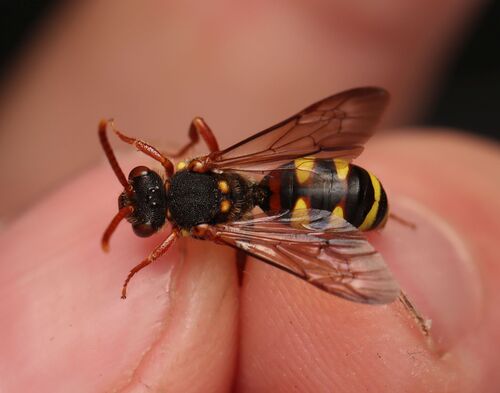
Threatened in Bolivia
Frequently asked questions
Why is Melipona eburnea classified as Vulnerable?
Where does Melipona eburnea live?
What are the main threats to Melipona eburnea?
Get weekly conservation intelligence
One short digest a week of the most striking species and country data we ship, plus breaking conservation news paired with our database where it matters.
Free, no spam. One-click unsubscribe in every email.