Iberian Grey Bush-cricket
Platycleis iberica
Overview
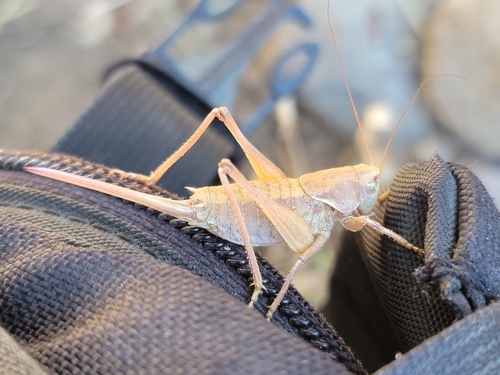
The Iberian Grey Bush-cricket (Platycleis iberica) is a lesser-known orthopteran endemic to the Iberian Peninsula, where it occupies a narrow and fragmented range. Like other bush-crickets in the genus Platycleis, it displays a mottled grey-brown body that provides camouflage against dry soil and sparse vegetation, along with the long hind legs and sword-like ovipositor (in females) typical of the family Tettigoniidae. It is currently classified as Critically Endangered (CR) by the IUCN, with a population trend recorded as decreasing.
This species is closely tied to dry, open habitats such as scrubland, grassland edges, and rocky or sandy substrates in Mediterranean-type climates, where specific microhabitat conditions support its life cycle. Agricultural intensification, urban expansion, and the conversion of natural scrub to cultivated or built land have steadily reduced the extent and quality of suitable habitat across its limited distribution. Because the species is restricted to a small number of localities, even modest habitat disturbance can have an outsized effect on the total population, compounding its vulnerability.
Conservation attention for lesser-studied invertebrates like this cricket has historically lagged behind that given to vertebrates, but growing interest in Iberian orthopteran diversity has led to increased survey effort aimed at clarifying its distribution and habitat requirements. This renewed taxonomic and ecological focus is an encouraging sign, as improved data are a prerequisite for targeted habitat protection measures. Continued monitoring of known populations, combined with safeguarding remaining scrubland and grassland patches within its range, offers a realistic path toward stabilizing this critically endangered species before further declines occur.
Platycleis iberica faces severe population decline due to habitat destruction from urban development and agricultural intensification across its limited Iberian Peninsula range. The species' specialized requirements for Mediterranean scrubland and rocky outcrops make it particularly vulnerable to land-use changes. Climate change poses an additional threat through altered precipitation patterns and increased drought frequency, which directly impacts the vegetation structure this grasshopper depends upon for shelter and food.
Habitat
Platycleis iberica inhabits Mediterranean scrubland, rocky slopes, and dry grasslands with sparse vegetation cover across the Iberian Peninsula. The species shows a preference for areas with scattered shrubs and exposed rocky surfaces that provide both basking sites and shelter from predators.
Conservation measures underway
Other threatened species in TETTIGONIIDAE
Threatened in Spain
Frequently asked questions
Why is Iberian Grey Bush-cricket classified as Critically Endangered?
Where does Iberian Grey Bush-cricket live?
What are the main threats to Iberian Grey Bush-cricket?
Get weekly conservation intelligence
One short digest a week of the most striking species and country data we ship, plus breaking conservation news paired with our database where it matters.
Free, no spam. One-click unsubscribe in every email.