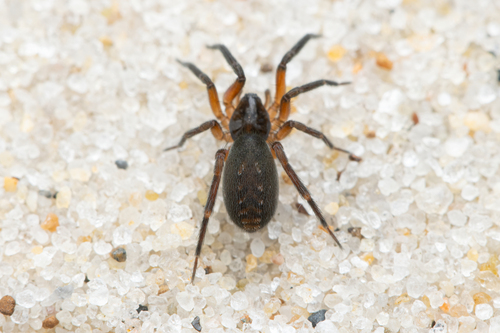
Scotina gracilipes
Photo: Photo: (c) Frederik Leck Fischer, all rights reserved, uploaded by Frederik Leck Fischer
Overview
Scotina gracilipes is a small ground-dwelling spider characterized by its notably elongated legs, which give it its common name meaning 'long-legged ground sac spider.' This cryptic arachnid plays an important ecological role as both predator of small invertebrates and prey for larger arthropods and small vertebrates in its ecosystem.
Scotina gracilipes faces severe population decline primarily due to habitat loss and fragmentation of its specialized coastal dune and sandy grassland ecosystems. Urban development, agricultural intensification, and coastal erosion have dramatically reduced the availability of suitable microhabitats this ground-dwelling spider requires for survival.
Habitat
This species inhabits loose, well-drained soils in open grasslands, heathlands, and forest edges where it constructs silk-lined burrows beneath stones, fallen logs, or in crevices between rocks. It shows a preference for areas with sparse vegetation cover and sandy or gravelly substrates that facilitate its burrowing behavior.
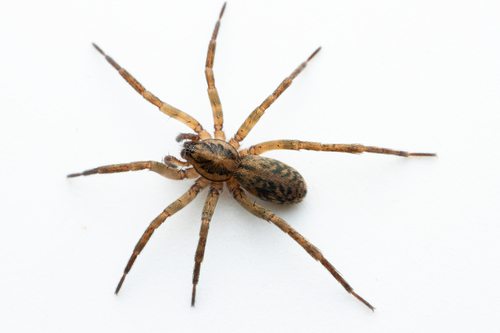
Other threatened species in Liocranidae

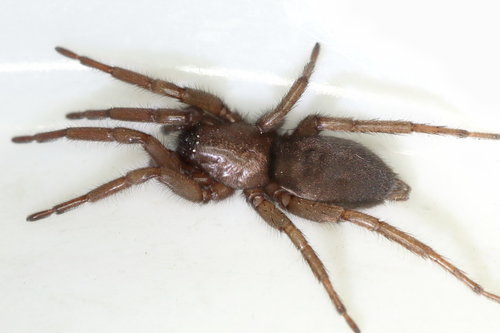
Threatened in Åland Islands


Frequently asked questions
Why is Scotina gracilipes classified as Critically Endangered?
Where does Scotina gracilipes live?
What are the main threats to Scotina gracilipes?
Get weekly conservation intelligence
One short digest a week of the most striking species and country data we ship, plus breaking conservation news paired with our database where it matters.
Free, no spam. One-click unsubscribe in every email.