Cantharellus noumeae
Overview
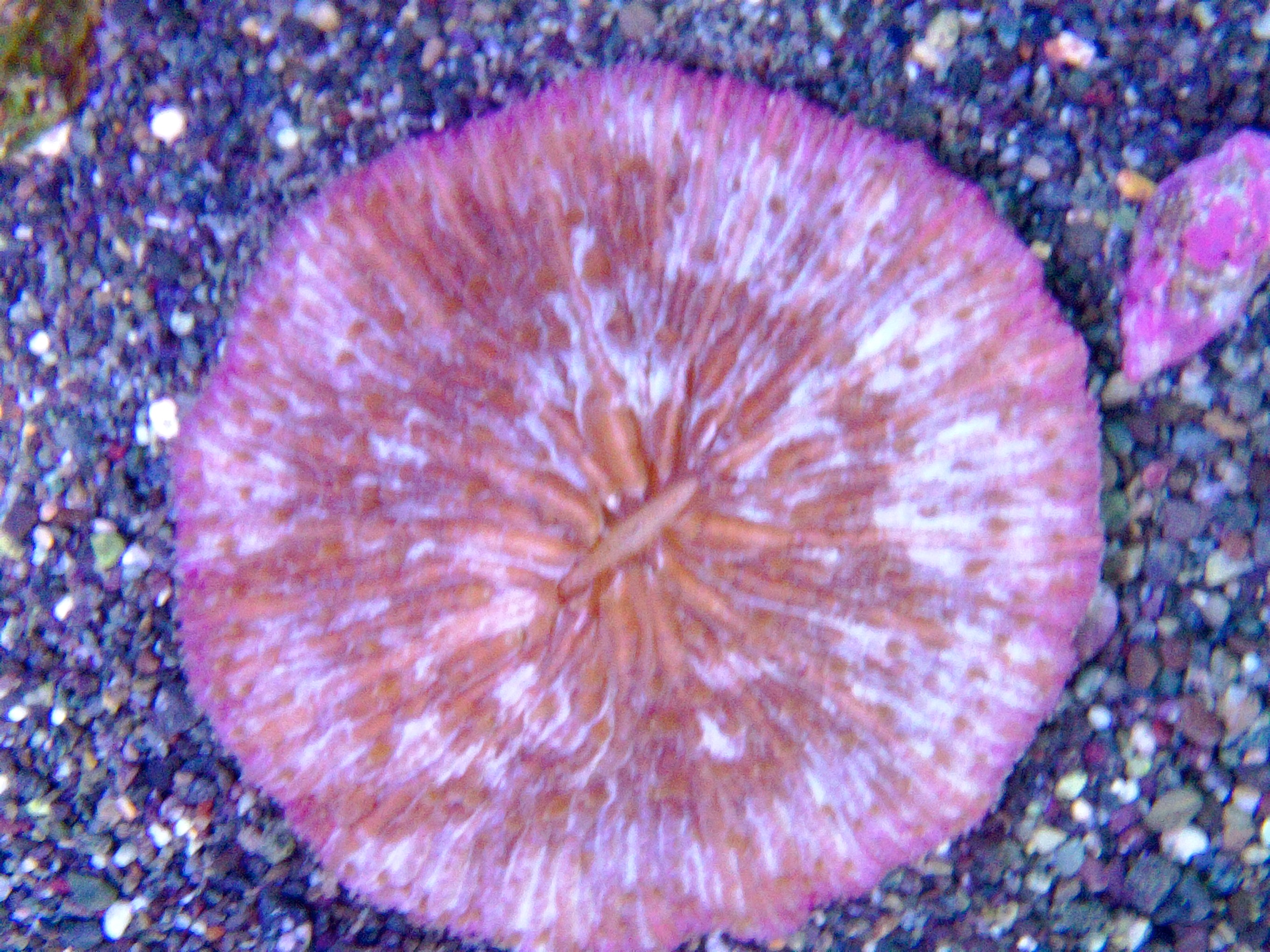
Cantharellus noumeae is a small stony coral belonging to the family Fungiidae, within the order Scleractinia. As a scleractinian coral, it secretes a calcium carbonate skeleton and hosts symbiotic zooxanthellae, algae that provide the coral with energy through photosynthesis while giving it its coloration. Like other reef-building corals, it contributes to the physical structure of reef habitats, offering shelter and substrate for a wide range of marine organisms.
Its exact colony form, growth rate, and reproductive behavior are not well documented in available literature, though it is presumed to follow patterns typical of small-polyp stony corals in shallow reef environments.
The species occurs in marine neritic waters across the western Pacific, with confirmed records from Papua New Guinea, New Caledonia, and Australia. It inhabits shallow, nearshore reef systems within this limited known range.
Cantharellus noumeae faces a combination of pressures affecting coastal reef environments. Mining and quarrying operations degrade adjacent habitats and increase sediment loads, while agricultural and forestry runoff introduces nutrients and pollutants into coastal waters. Logging contributes further to sediment and runoff impacts.
Fishing and harvesting activities disturb reef substrates, and unspecified pollution sources add cumulative stress. Habitat shifting and alteration, along with pressures from problematic native species or disease, compound these impacts on an already restricted population.
Specific conservation measures targeting this species are not well documented, though it may benefit indirectly from marine protected areas and reef management programs within its range countries. No population figures are currently available. Given its restricted distribution, ongoing coastal development pressures, and declining population trend, the species' conservation trajectory remains concerning, warranting continued monitoring and habitat protection.
This species is mainly threatened by mining and quarrying activities that disturb its habitat, along with logging and wood harvesting that remove the forest cover it depends on. It also faces pressure from pollution and runoff linked to farming and forestry, harmful native species or diseases, and general shifts in land use that alter its natural environment. These threats appear to be ongoing and stable rather than clearly worsening at this time.
Habitat
Conservation measures underway
Other threatened species in FUNGIIDAE

Threatened in Australia
Frequently asked questions
Why is Cantharellus noumeae classified as Vulnerable?
Where does Cantharellus noumeae live?
What are the main threats to Cantharellus noumeae?
Get weekly conservation intelligence
One short digest a week of the most striking species and country data we ship, plus breaking conservation news paired with our database where it matters.
Free, no spam. One-click unsubscribe in every email.