Yellowback Stingaree
Urolophus sufflavus
Overview
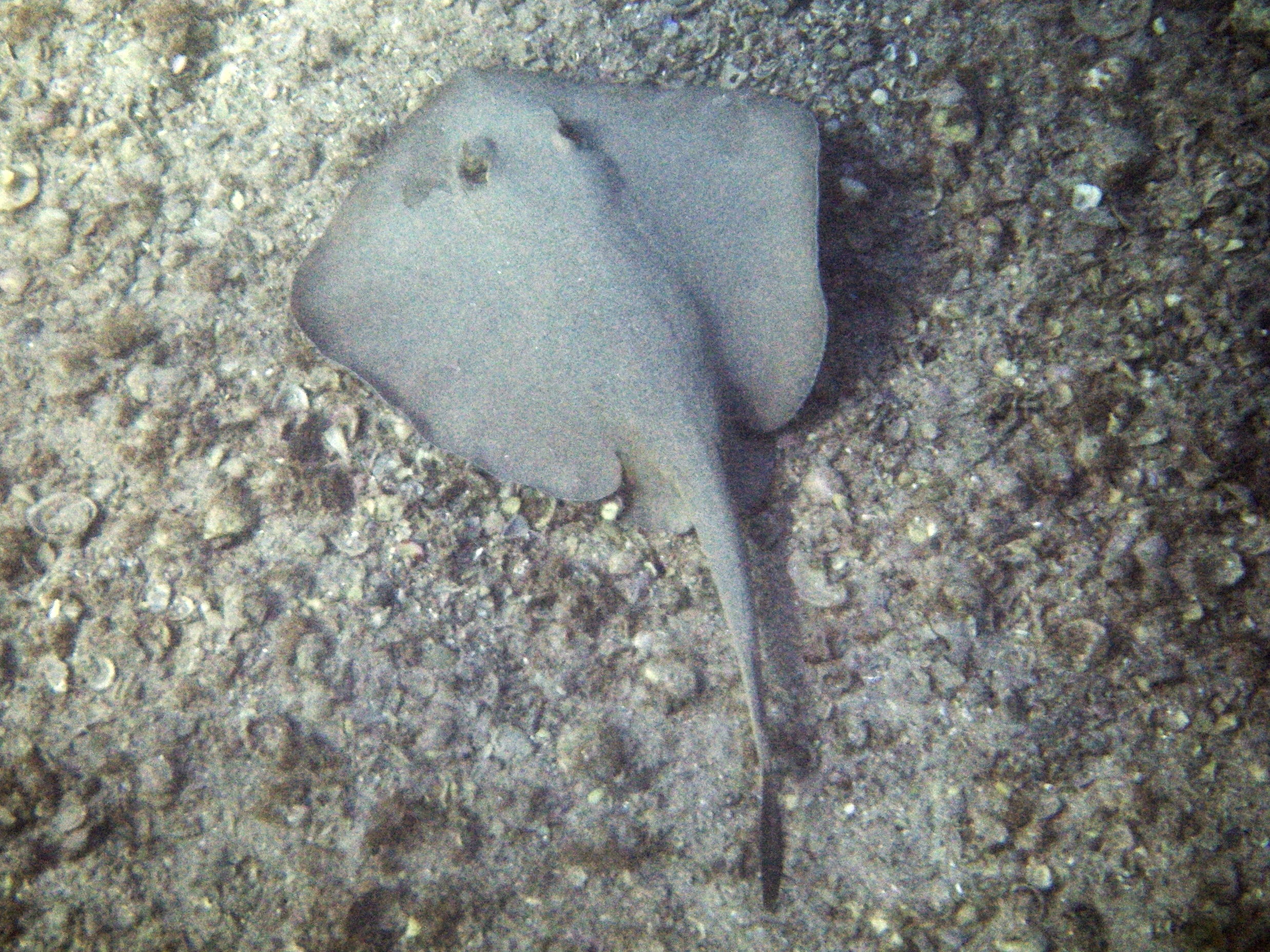
The Yellowback Stingaree is a small benthic ray characterised by a distinctively yellow-tinged dorsal surface, a rounded pectoral disc, and a slender tail bearing one or two venomous spines used defensively against predators. Like other members of the family Urolophidae, it spends much of its time partially buried in sediment, using electroreception and its underslung mouth to locate small invertebrates and fishes. As a bottom-dwelling predator, it contributes to the regulation of invertebrate populations and serves as a prey source for larger sharks and rays within its ecosystem.
This species inhabits temperate and subtropical marine waters, typically found on continental shelves at moderate depths over sandy or muddy substrates. Its known range spans coastal waters of eastern Australia, with additional records from New Zealand and Taiwan, suggesting a broader but patchily documented distribution across the western Pacific.
The primary threat to the Yellowback Stingaree is incidental capture in commercial fishing operations, particularly trawl fisheries that operate across its shelf habitat. As a non-target species, it is subject to bycatch mortality without direct management aimed at its protection, and its relatively low reproductive rate limits its capacity to recover from sustained fishing pressure.
Conservation measures specific to this species remain limited, though it may benefit indirectly from broader fisheries management and bycatch reduction measures implemented in Australian waters, including gear modifications and spatial closures targeting other elasmobranch species. Population monitoring remains incomplete across its full range.
Given ongoing exposure to fishing pressure and a documented decreasing population trend, the outlook for the Yellowback Stingaree is one of continued vulnerability. Without targeted bycatch mitigation, its conservation status is unlikely to improve in the near term.
The Yellowback Stingaree is mainly threatened by commercial and recreational fishing, where it is unintentionally caught as bycatch in nets and trawls intended for other species. Because it is often pulled up alongside targeted catches, ongoing fishing activity in its habitat poses a persistent risk to the population. This threat is currently ongoing and stable, with no clear signs of increasing or decreasing pressure.
Habitat
Other threatened species in UROLOPHIDAE


Threatened in Australia
Frequently asked questions
Why is Yellowback Stingaree classified as Vulnerable?
Where does Yellowback Stingaree live?
What are the main threats to Yellowback Stingaree?
Get weekly conservation intelligence
One short digest a week of the most striking species and country data we ship, plus breaking conservation news paired with our database where it matters.
Free, no spam. One-click unsubscribe in every email.