
Sandyback Stingaree
Urolophus bucculentus
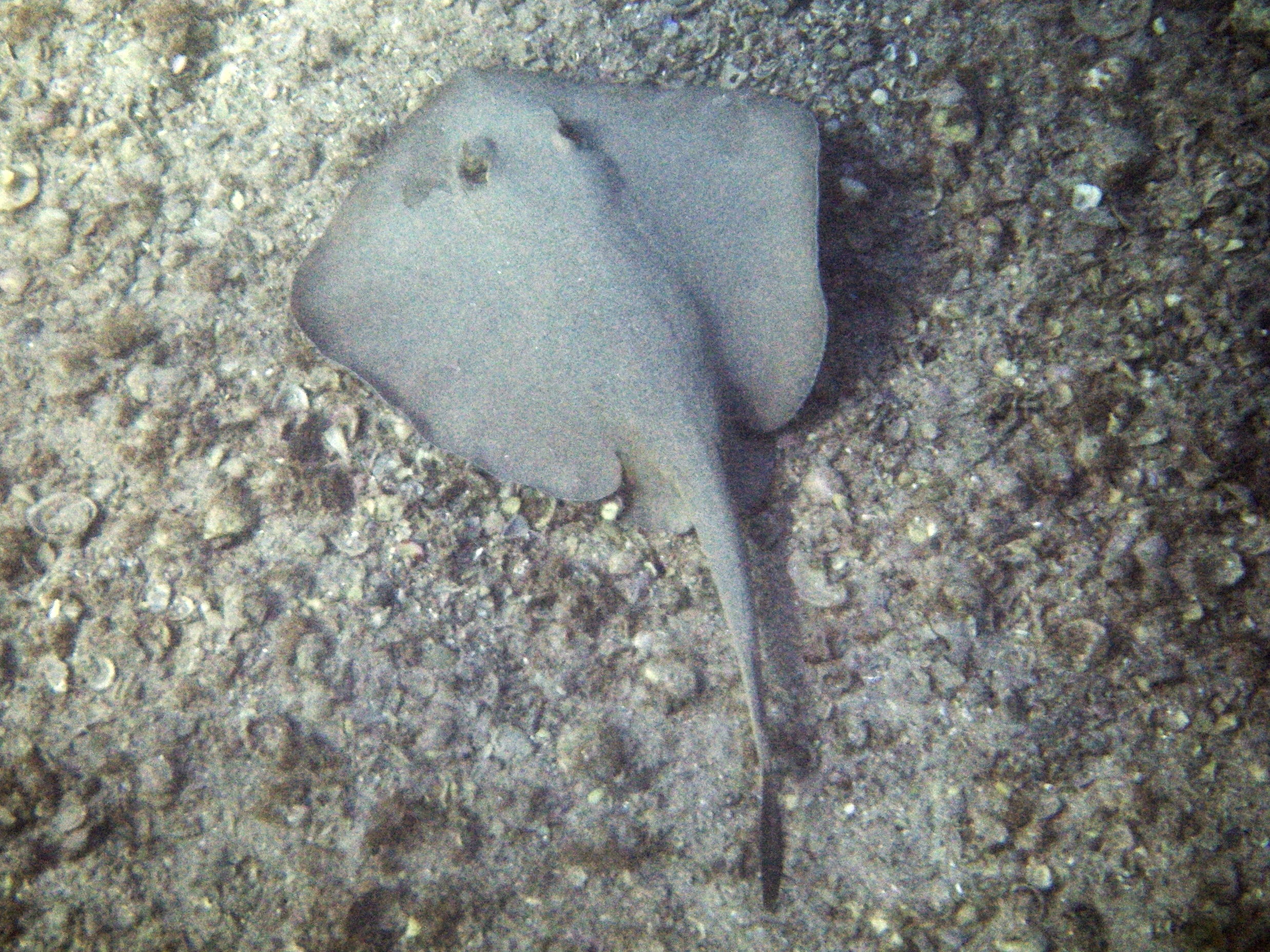
Photo: Wikimedia Commons (CC) via https://en.wikipedia.org/wiki/Sandyback_stingaree
Overview
Urolophus bucculentus is a benthic ray belonging to the family Urolophidae, distinguished by a rounded, disc-shaped body, a muscular tail bearing a venomous spine, and sandy-brown dorsal coloration that provides camouflage against seafloor sediments. Like other stingarees, it spends much of its time partially buried in sand or mud, feeding on small invertebrates and fish that it detects using electroreception. As a bottom-dwelling predator, it contributes to regulating populations of benthic invertebrates and serves as a prey item for larger predatory fish and sharks.
Reproduction is presumed to follow the ovoviviparous pattern typical of the genus, with limited offspring produced per cycle, though detailed life history data remain sparse.
The species occurs in marine waters off Australia and Papua New Guinea, typically inhabiting continental shelf and upper slope environments where it associates with soft sediment substrates.
The primary threat to this species is incidental capture in commercial fishing operations, particularly bottom trawl fisheries operating within its depth range. As a slow-reproducing elasmobranch, it has limited capacity to recover from sustained fishing pressure, and ongoing bycatch continues to reduce population numbers, though precise abundance figures are not well documented.
Conservation measures specific to this species are limited, though it may benefit indirectly from broader fisheries management frameworks, bycatch reduction devices, and marine protected areas within parts of its range. Monitoring of elasmobranch bycatch in Australian trawl fisheries provides some data relevant to assessing its status.
Given continued fishing pressure and the species' low reproductive rate, the population trend is currently assessed as decreasing, and its long-term outlook depends on the effectiveness of fisheries management measures across its range.
The main ongoing threat to the Sandyback Stingaree is being accidentally caught in fishing nets and other fishing gear used to catch different sea creatures, since it often gets swept up as unintentional bycatch. This ongoing pressure from commercial and recreational fishing operations continues to affect the species over time. Based on the available information, this threat appears to be stable and ongoing rather than clearly increasing or decreasing.
Habitat
Other threatened species in UROLOPHIDAE

Threatened in Australia
Frequently asked questions
Why is Sandyback Stingaree classified as Vulnerable?
Where does Sandyback Stingaree live?
What are the main threats to Sandyback Stingaree?
Get weekly conservation intelligence
One short digest a week of the most striking species and country data we ship, plus breaking conservation news paired with our database where it matters.
Free, no spam. One-click unsubscribe in every email.