Coastal Stingaree
Urolophus orarius
Overview
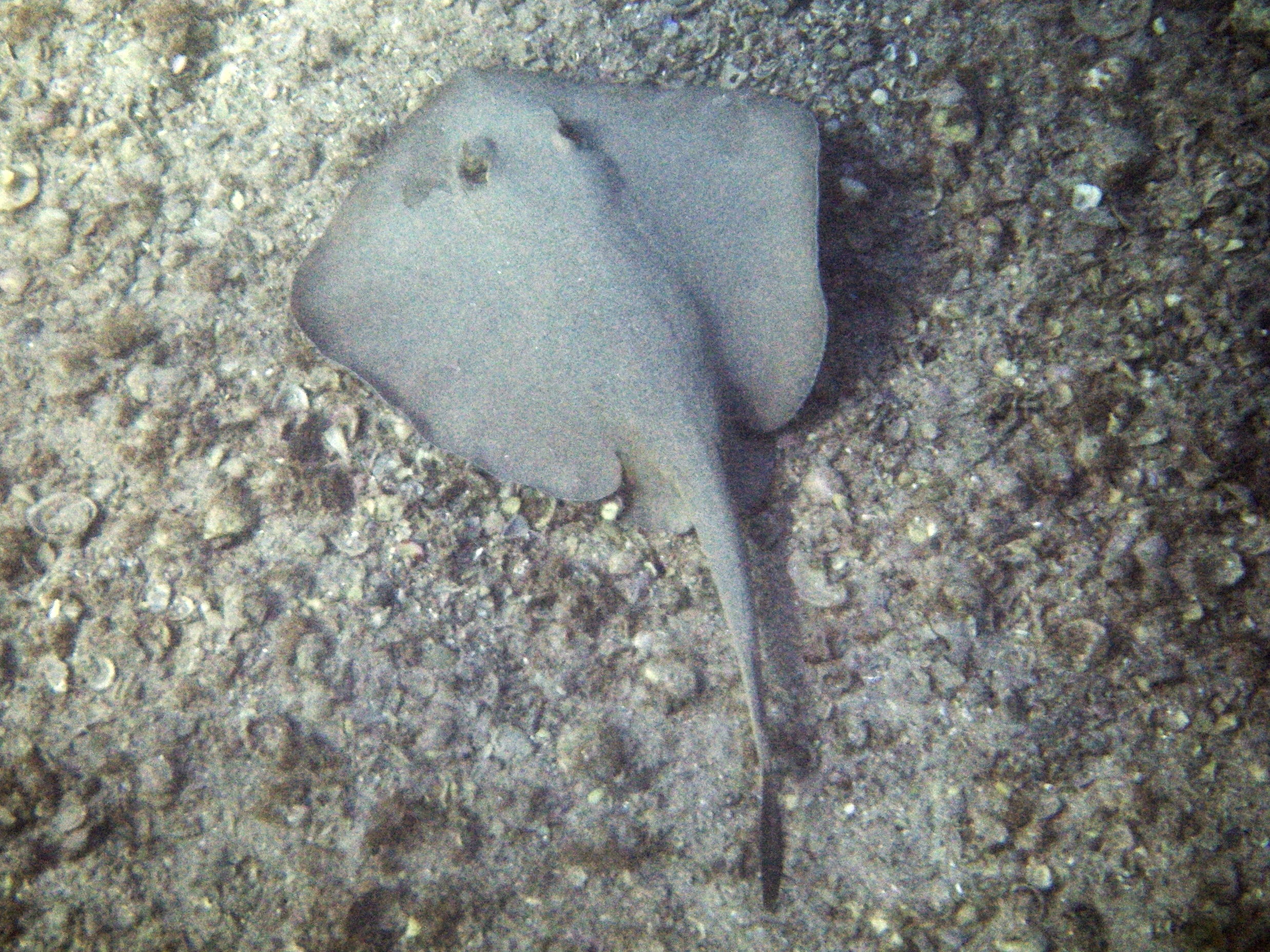
This small benthic ray is a member of the stingaree family, characterized by a rounded pectoral disc, a short muscular tail bearing one or two venomous spines, and a generally cryptic, sand-colored appearance suited to life on the seafloor. It spends much of its time partially buried in sediment, emerging to feed on small invertebrates such as crustaceans, worms, and molluscs. As a benthic predator, it plays a role in regulating invertebrate populations and contributes to nutrient cycling in coastal sediments.
Its reproductive strategy, like other stingarees, is thought to involve low fecundity, producing few offspring per cycle, which limits the species' capacity to recover from population declines.
The Coastal Stingaree is endemic to Australia, where it occupies shallow marine and coastal supratidal waters. Its known range is narrow, restricted to specific inshore habitats along the Australian coastline, making it particularly vulnerable to localized pressures.
The primary threat to this species is incidental capture in commercial and recreational fishing operations, particularly trawl and net fisheries operating within its limited coastal range. Because the species has a restricted distribution and low reproductive output, even moderate levels of bycatch can have a disproportionate impact on population stability.
Conservation attention has focused on monitoring bycatch rates and assessing population status within Australian fisheries management frameworks, which regulate gear types and fishing effort in some coastal zones. Specific targeted recovery programs for this species are limited.
Given its restricted range, ongoing exposure to fishing pressure, and low reproductive rate, the species' population is currently assessed as decreasing, with its long-term outlook dependent on effective bycatch reduction and habitat protection measures.
The main ongoing threat to the Coastal Stingaree is being accidentally caught in fishing nets and other gear used to harvest fish and marine life in its coastal waters. Because this species lives in shallow, near-shore areas often used by fishers, it remains vulnerable to being unintentionally captured even when not the target species. This threat appears to be stable, continuing at a consistent level rather than clearly worsening or improving.
Habitat
Conservation measures underway
Other threatened species in UROLOPHIDAE


Threatened in Australia
Frequently asked questions
Why is Coastal Stingaree classified as Endangered?
Where does Coastal Stingaree live?
What are the main threats to Coastal Stingaree?
Get weekly conservation intelligence
One short digest a week of the most striking species and country data we ship, plus breaking conservation news paired with our database where it matters.
Free, no spam. One-click unsubscribe in every email.