
Warrior Darter
Etheostoma bellator
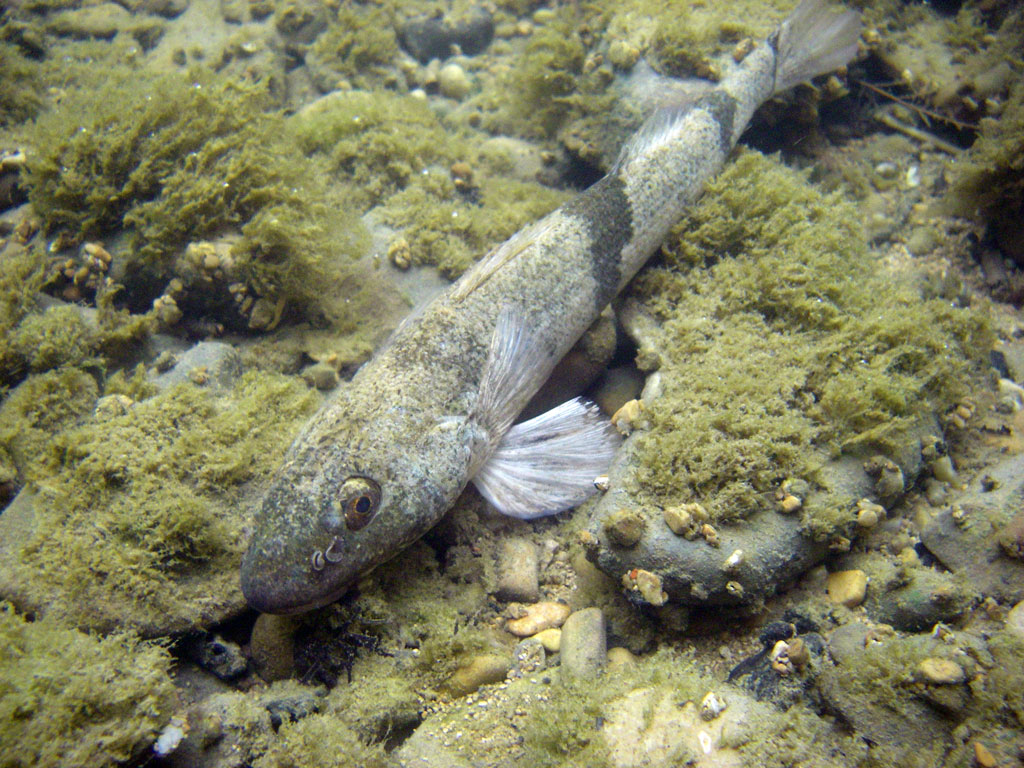
Photo: Wikimedia Commons (CC) via https://en.wikipedia.org/wiki/Warrior_darter
Overview
A detailed profile for this species is sourced from the IUCN Red List of Threatened Species as assessments become available.
The Warrior Darter faces severe habitat degradation from coal mining activities, particularly mountaintop removal and valley fills that destroy headwater streams in the Cahaba River system. Agricultural runoff and urban development contribute additional sedimentation and chemical pollution, while dam construction fragments remaining populations and alters natural flow regimes essential for spawning.
Habitat
The Warrior Darter inhabits clear, fast-flowing headwater streams and small rivers with rocky substrates in the Cahaba River drainage of Alabama. It requires well-oxygenated waters with gravel and cobble bottoms for spawning and feeding on aquatic invertebrates.
Other threatened species in PERCIDAE


Threatened in United States
Frequently asked questions
Why is Warrior Darter classified as Vulnerable?
Where does Warrior Darter live?
What are the main threats to Warrior Darter?
Get weekly conservation intelligence
One short digest a week of the most striking species and country data we ship, plus breaking conservation news paired with our database where it matters.
Free, no spam. One-click unsubscribe in every email.