
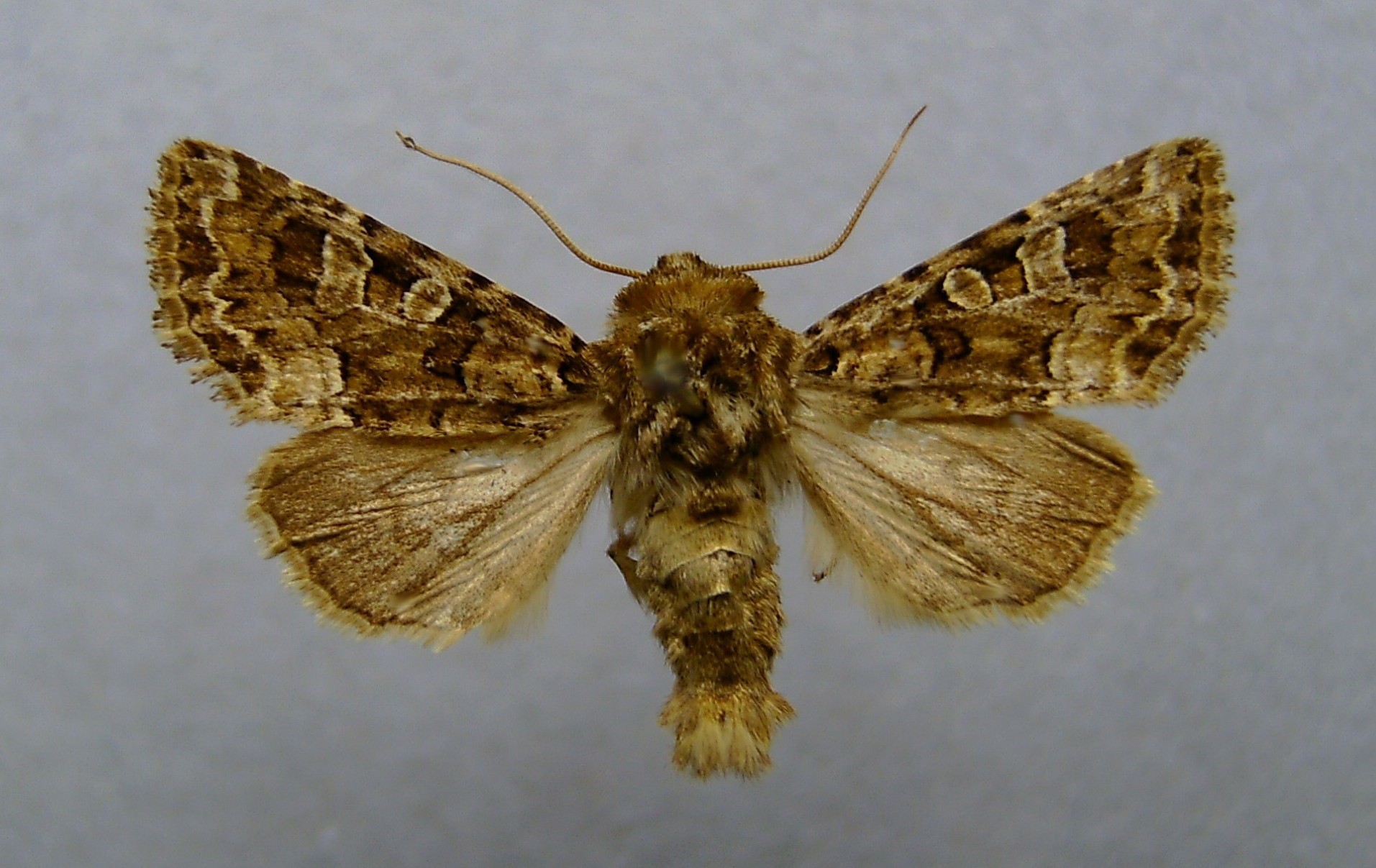
Conisania leineri
Photo: Wikimedia Commons (CC) via https://en.wikipedia.org/wiki/Conisania_leineri
Overview
A detailed profile for this species is sourced from the IUCN Red List of Threatened Species as assessments become available.
The vitribbat strandfly faces severe pressure from coastal development and tourism infrastructure along its specialized beach habitats. Rising sea levels and increased storm intensity threaten the narrow strand zones where this species breeds and feeds. Pollution from urban runoff and plastic debris further degrades the pristine sandy environments essential for its survival.
Habitat
This species inhabits pristine sandy beaches and coastal strand environments, particularly areas with organic debris and seaweed deposits. It requires undisturbed shoreline zones with specific moisture and temperature conditions for successful reproduction.
Other threatened species in Noctuidae
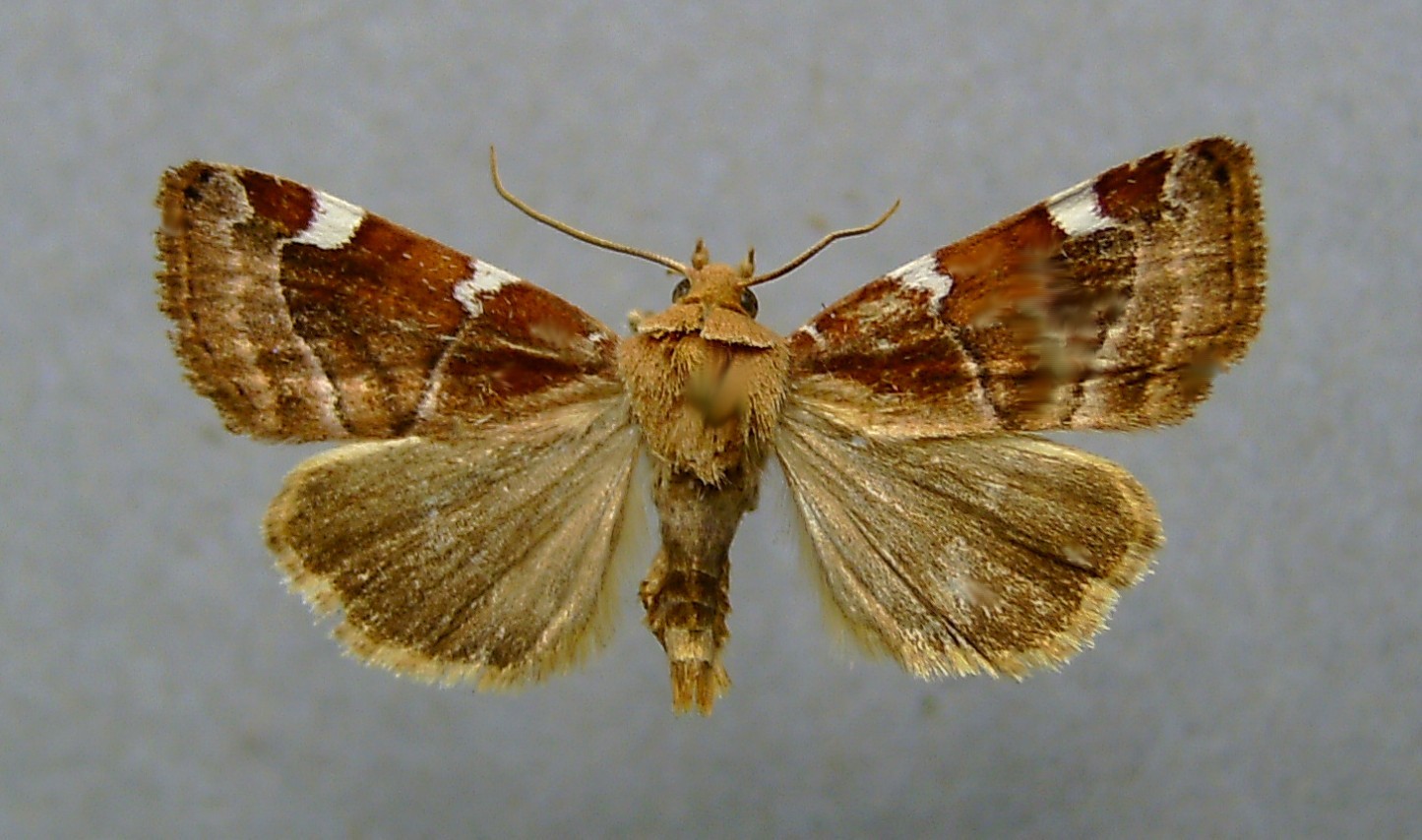

Threatened in Austria
Frequently asked questions
Why is Conisania leineri classified as Vulnerable?
Where does Conisania leineri live?
What are the main threats to Conisania leineri?
Get weekly conservation intelligence
One short digest a week of the most striking species and country data we ship, plus breaking conservation news paired with our database where it matters.
Free, no spam. One-click unsubscribe in every email.