Chrysotus laesus
Overview
A detailed profile for this species is sourced from the IUCN Red List of Threatened Species as assessments become available.
Chrysotus laesus faces significant pressure from wetland drainage and agricultural intensification across its Nordic range. The species' dependence on pristine bog and fen ecosystems makes it particularly vulnerable to hydrological changes from peat extraction and climate-driven habitat drying. Urban expansion and infrastructure development have fragmented remaining suitable habitats, isolating populations and reducing genetic diversity.
Habitat
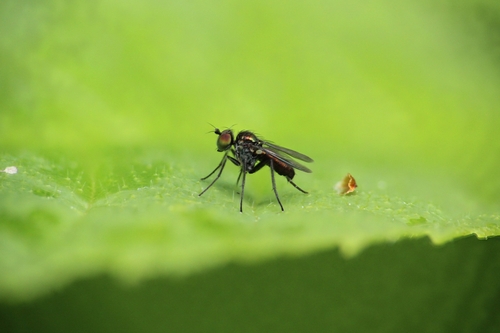
This specialized dolichopodid fly inhabits pristine sphagnum bogs, alkaline fens, and wet meadows across northern Europe. It requires stable water levels and undisturbed moss communities for successful reproduction and larval development.
Other threatened species in Dolichopodidae
Threatened in Austria
Frequently asked questions
Why is Chrysotus laesus classified as Vulnerable?
Where does Chrysotus laesus live?
What are the main threats to Chrysotus laesus?
Get weekly conservation intelligence
One short digest a week of the most striking species and country data we ship, plus breaking conservation news paired with our database where it matters.
Free, no spam. One-click unsubscribe in every email.