Indian Ocean Fineliner
Teinobasis alluaudi
Overview
A detailed profile for this species is sourced from the IUCN Red List of Threatened Species as assessments become available.
The Seychelles Fineliner faces severe habitat degradation from invasive plant species that alter the structure and composition of its native forest environments. Coastal development and tourism infrastructure have fragmented its limited range across the granitic Seychelles islands. Climate change poses an additional threat through altered rainfall patterns that affect the freshwater seepages and streams essential for this damselfly's aquatic larval stages.
Habitat
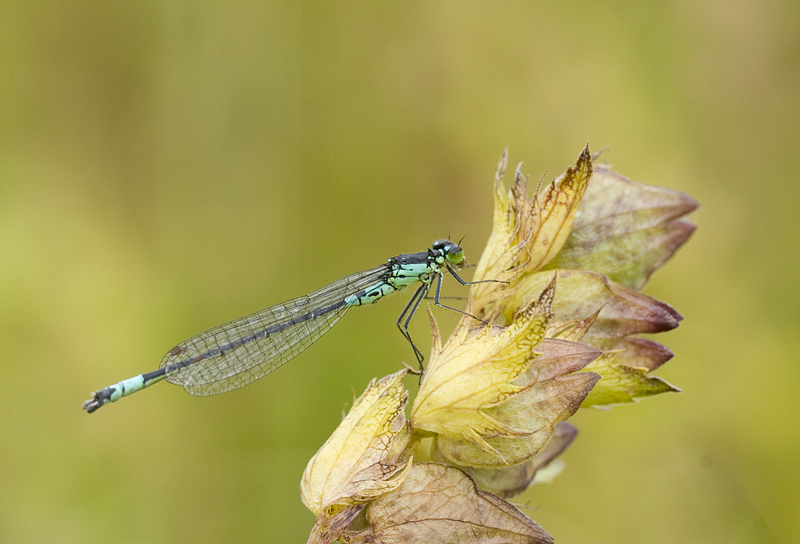
This endemic damselfly inhabits shaded forest streams and freshwater seepages in the native palm and hardwood forests of the granitic Seychelles islands. It requires clean, slow-flowing or still water bodies surrounded by dense canopy cover for breeding and larval development.
Other threatened species in Coenagrionidae


Threatened in Kenya
Frequently asked questions
Why is Indian Ocean Fineliner classified as Vulnerable?
Where does Indian Ocean Fineliner live?
What are the main threats to Indian Ocean Fineliner?
Get weekly conservation intelligence
One short digest a week of the most striking species and country data we ship, plus breaking conservation news paired with our database where it matters.
Free, no spam. One-click unsubscribe in every email.