Leptonycteris curasoae
Overview
A detailed profile for this species is sourced from the IUCN Red List of Threatened Species as assessments become available.
The Southern Long-nosed Bat faces severe population declines primarily due to roost disturbance and destruction of cave sites used for maternity colonies. Habitat degradation from agricultural expansion and urban development has reduced the availability of agave and columnar cacti that provide essential nectar resources. Climate change poses additional risks by altering flowering phenology of key food plants, potentially disrupting the species' migratory timing and foraging success.
Habitat
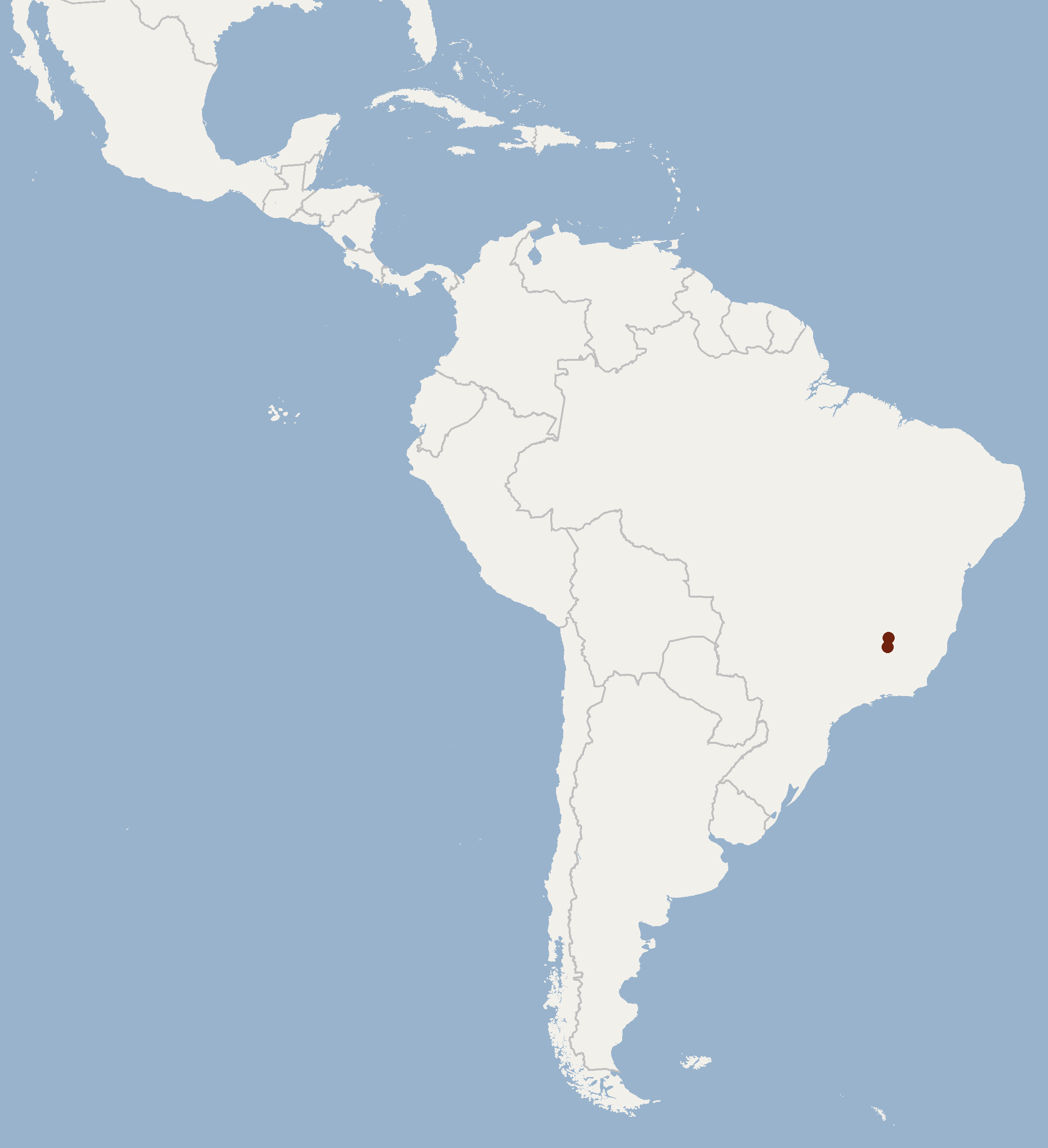
This species inhabits arid and semi-arid regions of the southwestern United States and northwestern Mexico, roosting in caves and abandoned mines. It forages in desert scrubland, thornscrub, and pine-oak woodlands where agave, columnar cacti, and other nectar-producing plants are abundant.
Other threatened species in PHYLLOSTOMIDAE

Threatened in Aruba


Frequently asked questions
Why is Leptonycteris curasoae classified as Vulnerable?
Where does Leptonycteris curasoae live?
What are the main threats to Leptonycteris curasoae?
Get weekly conservation intelligence
One short digest a week of the most striking species and country data we ship, plus breaking conservation news paired with our database where it matters.
Free, no spam. One-click unsubscribe in every email.