Fernandez's Sword-nosed Bat
Lonchorhina fernandezi
Overview
A detailed profile for this species is sourced from the IUCN Red List of Threatened Species as assessments become available.
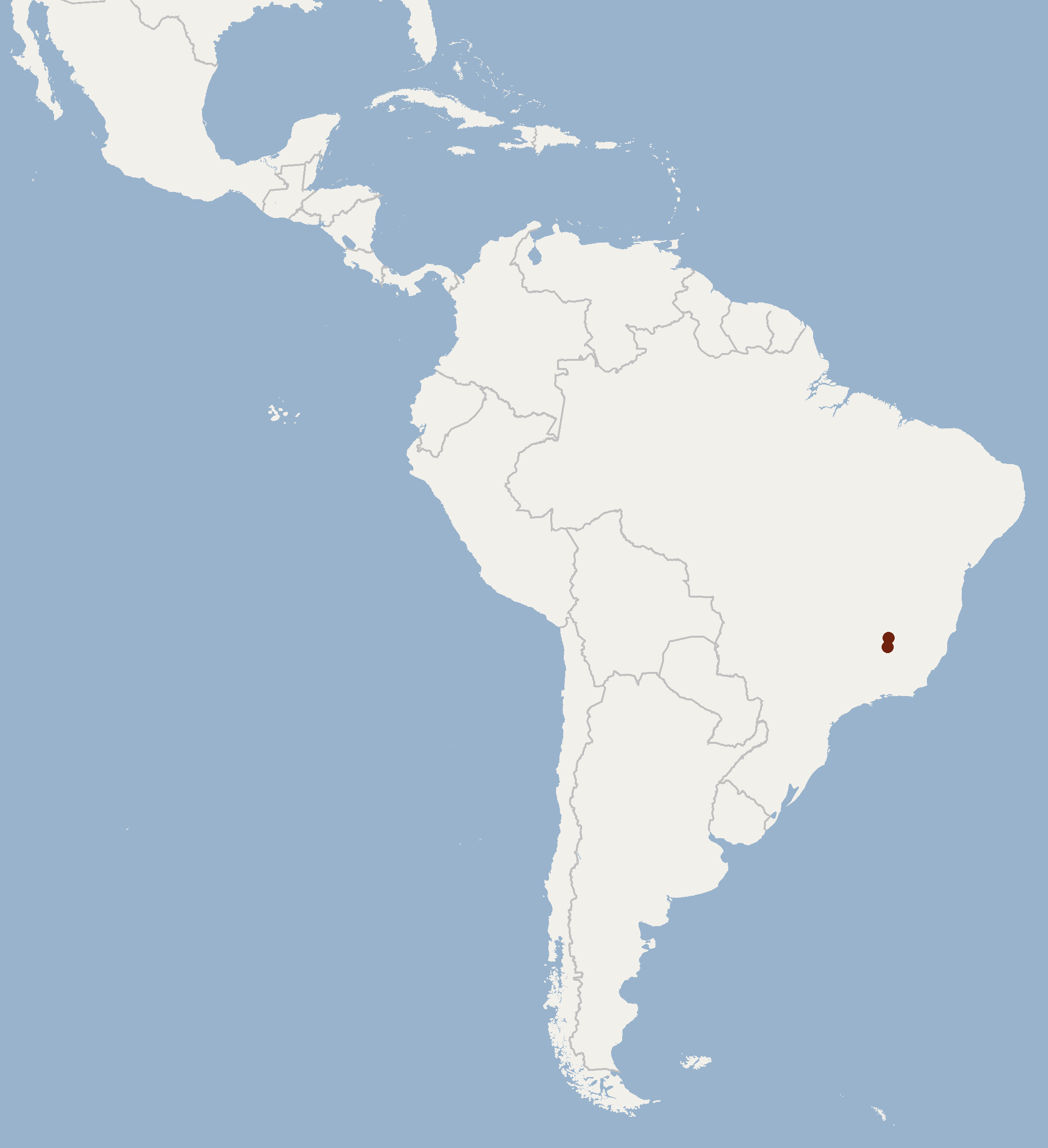
Lonchorhina fernandezi faces severe pressure from deforestation and habitat fragmentation across its limited range in northern South America. Mining activities and agricultural expansion have destroyed critical roosting caves and foraging areas. The species' specialized echolocation adaptations make it particularly vulnerable to habitat quality degradation, as it requires intact forest canopy structure for effective prey detection.
Habitat
This bat species inhabits humid lowland and montane forests, typically roosting in caves, rock crevices, and occasionally hollow trees. It forages in the forest understory and canopy, requiring intact forest structure for its specialized gleaning hunting behavior.
Other threatened species in PHYLLOSTOMIDAE

Threatened in Colombia
Frequently asked questions
Why is Fernandez's Sword-nosed Bat classified as Endangered?
Where does Fernandez's Sword-nosed Bat live?
What are the main threats to Fernandez's Sword-nosed Bat?
Get weekly conservation intelligence
One short digest a week of the most striking species and country data we ship, plus breaking conservation news paired with our database where it matters.
Free, no spam. One-click unsubscribe in every email.