Jamaican Flower Bat
Phyllonycteris aphylla
Overview
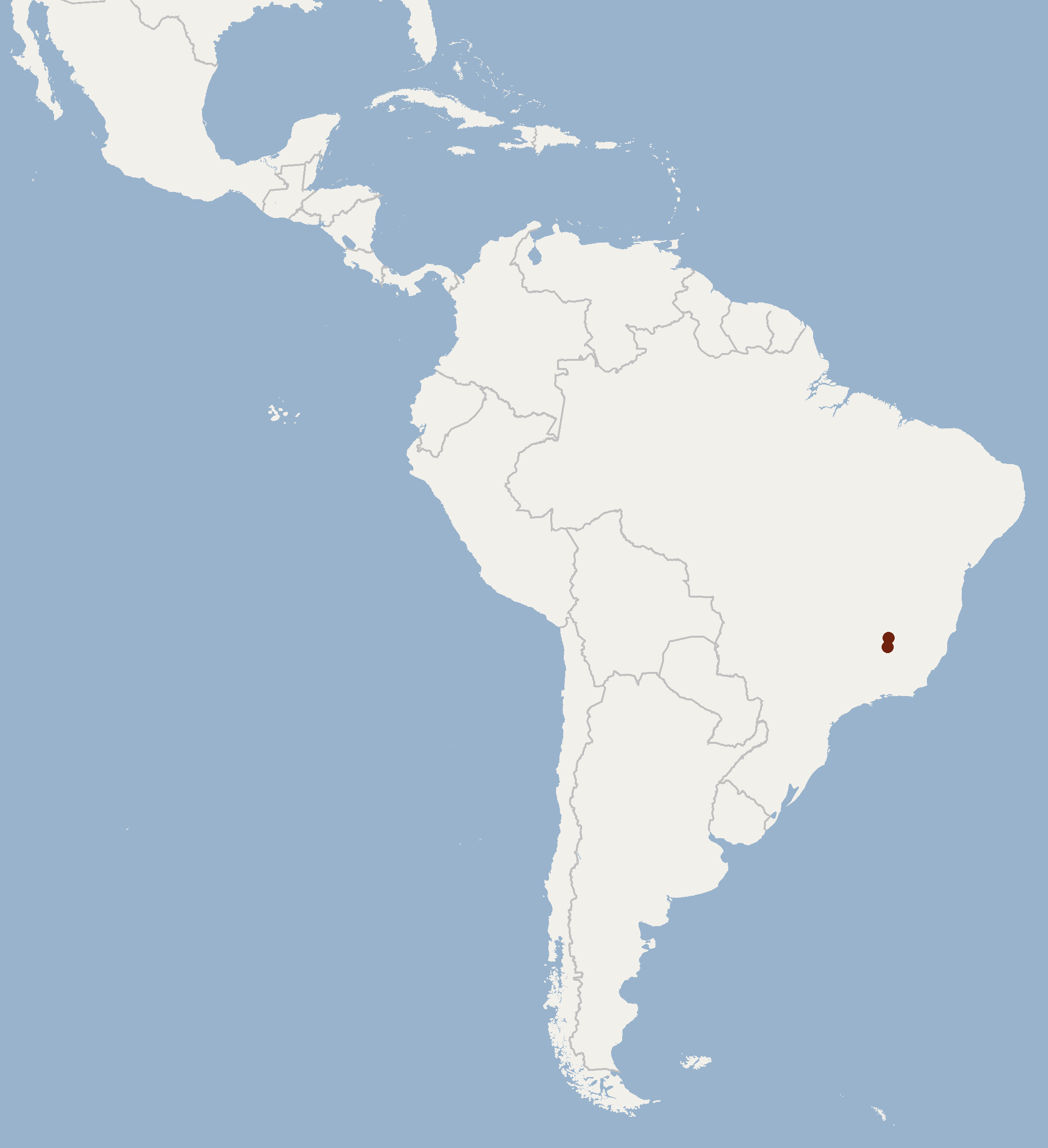
The Jamaican flower bat is a critically endangered species of bat in the family Phyllostomidae. It is endemic to Jamaica.
Phyllonycteris aphylla faces severe threats from habitat destruction as Jamaica's remaining forests are cleared for agriculture and urban development. The species' extremely limited range makes it particularly vulnerable to cave disturbance and modification, while introduced predators like cats and rats pose additional pressure on roosting colonies. Climate change threatens to alter the delicate cave microclimates essential for this bat's survival.
Habitat
This critically endangered bat inhabits limestone caves and underground roosts in Jamaica's remaining tropical forests. The species requires specific cave microclimates and forages in adjacent forest canopies for nectar and fruit.
Conservation measures underway
Other threatened species in PHYLLOSTOMIDAE

Threatened in Jamaica


Frequently asked questions
Why is Jamaican Flower Bat classified as Critically Endangered?
Where does Jamaican Flower Bat live?
What are the main threats to Jamaican Flower Bat?
Get weekly conservation intelligence
One short digest a week of the most striking species and country data we ship, plus breaking conservation news paired with our database where it matters.
Free, no spam. One-click unsubscribe in every email.