
Quechulac Silverside
Poblana squamata
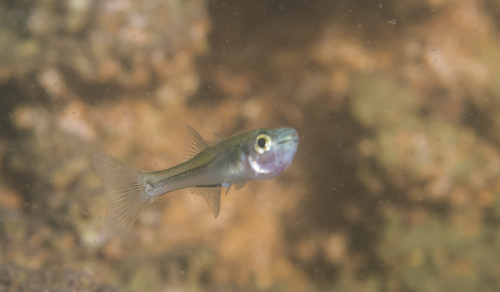
Photo: Wikimedia Commons (CC) via https://en.wikipedia.org/wiki/Poblana_squamata
Overview
Poblana squamata is a small freshwater fish endemic to the highland lakes and springs of central Mexico's Trans-Mexican Volcanic Belt. This species belongs to the family Atherinidae and is characterized by its small size, typically reaching only a few centimeters in length, with distinctive scaled patterns that give it its scientific name. The fish inhabits shallow, clear waters with abundant aquatic vegetation in areas with relatively stable temperatures year-round.
Poblana squamata faces severe threats from habitat degradation and water extraction for agricultural and urban use, which has dramatically reduced available habitat. The species' extremely limited geographic range makes it particularly vulnerable to environmental changes and human activities. Water pollution from agricultural runoff and urban development has further compromised water quality in remaining habitats.
Additionally, the introduction of non-native fish species has created competition and predation pressure. The species' small population size and restricted distribution have led to its classification as Critically Endangered, with population numbers continuing to decline. Conservation efforts have focused on habitat protection and water quality monitoring, though comprehensive recovery programs remain limited.
Research initiatives aim to better understand the species' ecological requirements and population dynamics to inform conservation strategies. The survival of Poblana squamata depends on immediate action to protect remaining habitat and address water management issues in its native range.
Poblana squamata faces severe threats from habitat loss due to water extraction for agriculture and urban development, which has dramatically reduced available freshwater habitat. Water pollution from agricultural runoff and urban sources has degraded water quality, while introduced non-native fish species create additional competition and predation pressure.
Habitat
Poblana squamata inhabits shallow, clear freshwater lakes and springs in the highland regions of central Mexico's Trans-Mexican Volcanic Belt. The species prefers areas with abundant aquatic vegetation and relatively stable water temperatures throughout the year.
Other threatened species in ATHERINIDAE


Threatened in Mexico
Frequently asked questions
Why is Quechulac Silverside classified as Critically Endangered?
Where does Quechulac Silverside live?
What are the main threats to Quechulac Silverside?
Get weekly conservation intelligence
One short digest a week of the most striking species and country data we ship, plus breaking conservation news paired with our database where it matters.
Free, no spam. One-click unsubscribe in every email.