Craterocephalus gloveri
Overview
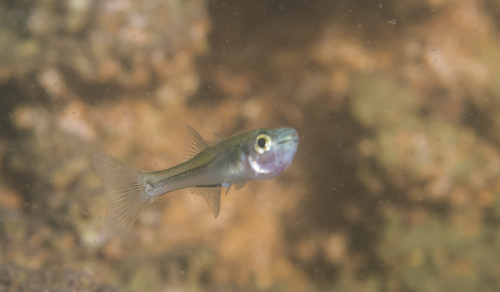
This small silverside fish belongs to the family Atherinidae, characterized by an elongate, slender body with a distinctive silver lateral stripe typical of the genus Craterocephalus. Like other members of its genus, it likely feeds on small invertebrates and algae, forming part of the food web in freshwater systems as both a predator of aquatic insects and prey for larger fish and birds. It is thought to move in loose schools within pools and slow-flowing reaches of its habitat.
Craterocephalus gloveri is endemic to Australia, where it is restricted to a limited freshwater range, likely centered on spring-fed and riverine systems in arid or semi-arid regions. Its confinement to a narrow habitat makes it particularly vulnerable to localized environmental change.
The species faces multiple compounding pressures. Agricultural runoff and sedimentation degrade water quality and alter the fine-scale habitat conditions the fish depends on. Water extraction for irrigation reduces flow and can shrink or fragment available habitat, especially during dry periods.
Livestock grazing along riparian zones damages bank vegetation, increasing erosion and reducing shade and shelter. Land clearing further fragments habitat, isolating populations, while extreme weather events and drought—increasingly frequent in the region—intensify all of these stressors simultaneously.
Conservation attention for freshwater species in similar arid-zone systems in Australia typically includes monitoring of water quality and flow, restriction or regulation of extraction, and riparian rehabilitation programs, though details specific to this species are limited. Its listing as Vulnerable under IUCN criteria reflects recognition of its restricted range and ongoing habitat threats.
The population trend for Craterocephalus gloveri is currently unknown, and no reliable population figures are available. Given the persistence of habitat degradation and water-related pressures, the species' long-term outlook remains uncertain without sustained habitat protection and water management interventions.
Craterocephalus gloveri, a small freshwater fish, faces ongoing pollution from farm runoff and sediment washing into its waterways, along with reduced water levels caused by irrigation pumping and livestock trampling the vegetation along stream banks. Land clearing has also broken up its habitat into smaller, isolated patches, while droughts and extreme weather add further strain to its already limited habitat. These combined pressures appear to be intensifying, particularly due to ongoing water extraction and increasingly severe drought conditions.
Habitat
This freshwater fish inhabits clear, flowing streams and rivers with rocky or sandy substrates in southeastern Australia. It prefers well-oxygenated waters with moderate current and abundant aquatic vegetation or overhanging riparian cover.
Other threatened species in ATHERINIDAE


Threatened in Australia
Frequently asked questions
Why is Craterocephalus gloveri classified as Vulnerable?
Where does Craterocephalus gloveri live?
What are the main threats to Craterocephalus gloveri?
Get weekly conservation intelligence
One short digest a week of the most striking species and country data we ship, plus breaking conservation news paired with our database where it matters.
Free, no spam. One-click unsubscribe in every email.