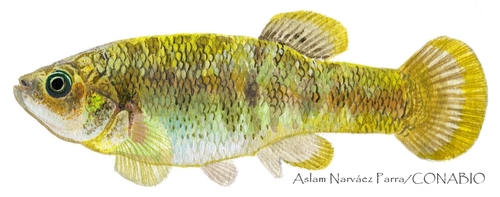
Finescale Splitfin
Allodontichthys polylepis
Photo: (c) conabio_bancodeimagenes, some rights reserved (CC BY-NC-ND), uploaded by conabio_bancodeimagenes
Overview
Allodontichthys polylepis is a small freshwater fish endemic to the Lerma River basin in central Mexico. This species belongs to the family Goodeidae, a group of livebearing fish found exclusively in Mexican highland waters. The fish inhabits shallow areas of rivers and streams with moderate current flow, typically in areas with rocky or sandy substrates and aquatic vegetation.
As a goodeid, it exhibits internal fertilization and gives birth to live young rather than laying eggs. The species has experienced severe population declines due to multiple anthropogenic pressures affecting its limited range. Habitat degradation represents the primary threat, with urban development, agricultural expansion, and industrial activities altering water quality and flow patterns throughout the Lerma basin.
Water pollution from domestic sewage, agricultural runoff, and industrial discharge has significantly impacted water chemistry in many areas where the species historically occurred. Additionally, water extraction for human use has reduced flow levels in many tributaries. The introduction of non-native fish species has created additional competitive pressure and predation risks.
Climate change may exacerbate existing stressors through altered precipitation patterns and increased temperatures. Conservation efforts for this critically endangered species remain limited, though some Mexican institutions have initiated research programs to better understand population status and ecological requirements. Habitat restoration and water quality improvement initiatives in the Lerma basin could benefit this species, but coordinated conservation action is urgently needed to prevent extinction.
Allodontichthys polylepis faces severe threats from habitat degradation and water pollution throughout its limited range in Mexico's Lerma River basin. Urban development, agricultural activities, and industrial discharge have significantly altered water quality and flow patterns. Introduced non-native fish species create additional competitive pressure and predation risks for remaining populations.
Habitat
This species inhabits shallow areas of rivers and streams in the Lerma River basin of central Mexico, preferring areas with moderate current flow and rocky or sandy substrates. It typically occurs in waters with aquatic vegetation and requires good water quality conditions.
Conservation measures underway
Other threatened species in GOODEIDAE

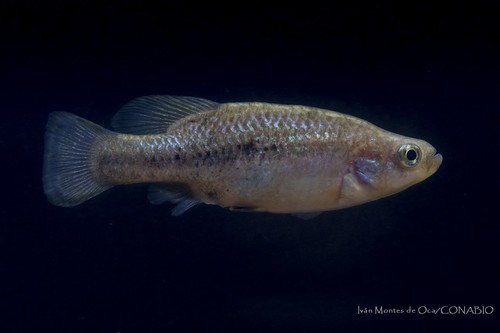
Threatened in Mexico
Frequently asked questions
Why is Finescale Splitfin classified as Critically Endangered?
Where does Finescale Splitfin live?
What are the main threats to Finescale Splitfin?
Get weekly conservation intelligence
One short digest a week of the most striking species and country data we ship, plus breaking conservation news paired with our database where it matters.
Free, no spam. One-click unsubscribe in every email.