Craterocephalus dalhousiensis
Overview
Species Overview
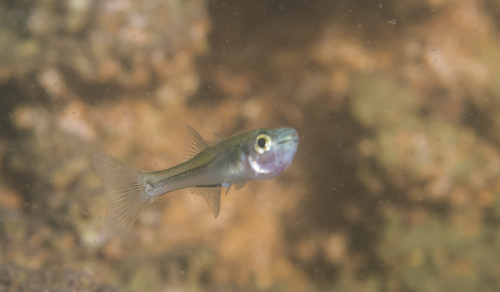
Craterocephalus dalhousiensis, commonly known as the Dalhousia hardyhead, is a small freshwater fish belonging to the family Atherinidae (silversides). Like other members of its genus, it is characterized by a slender body, large eyes, and a translucent silvery stripe along its flanks. It is a diet generalist, feeding primarily on small invertebrates, algae, and organic detritus, and plays a role in nutrient cycling within its highly specialized aquatic habitat.
As a prey species for larger fish and birds, it also contributes to local food web dynamics in an otherwise resource-scarce ecosystem.
Distribution and Habitat
This species is endemic to the Dalhousie Springs complex in the Lake Eyre Basin, located in the arid interior of South Australia. It inhabits artesian springs, spring-fed wetlands, and associated wetland margins (bogs, marshes, and fens) within an otherwise desert landscape. These springs, fed by the Great Artesian Basin, provide isolated, thermally stable refugia that support several endemic aquatic species.
Threats
The species faces multiple ongoing pressures: livestock grazing and trampling around spring margins degrades habitat and water quality; recreational activities (including tourism at the springs) disturb sensitive microhabitats; altered fire regimes affect surrounding vegetation and hydrology; groundwater extraction and water management reduce spring flow; invasive species (including introduced fish) compete with or prey on native populations; and agricultural land use contributes to habitat alteration across the catchment.
Conservation and Outlook
Conservation attention has focused on monitoring spring conditions and managing livestock access within parts of the Witjira National Park, where Dalhousie Springs are located. Given its extremely restricted range, decreasing population trend, and cumulative habitat pressures, the species remains at high risk, with its long-term persistence dependent on continued spring protection and water management.
Craterocephalus dalhousiensis (a small fish restricted to isolated desert springs in Australia) faces threats from cattle and other livestock trampling and fouling its spring habitats, along with damage from off-road vehicles and other recreational visits to these sites. Its habitat is also affected by changes in water flow from dams and water extraction, invasive fish and other non-native species competing with or preying on it, nearby crop farming, and shifts in habitat conditions linked to fire and changing climate patterns. All of these pressures are currently ongoing, suggesting the threats to this species are stable rather than clearly increasing or decreasing.
Habitat
This species inhabits warm artesian springs and associated pools and streams in the Dalhousie Springs complex within South Australia's Great Artesian Basin. The habitat consists of mineral-rich, thermally stable waters that emerge from underground aquifers in an otherwise arid desert environment.
Conservation measures underway
Other threatened species in ATHERINIDAE


Threatened in Australia
Frequently asked questions
Why is Craterocephalus dalhousiensis classified as Critically Endangered?
Where does Craterocephalus dalhousiensis live?
What are the main threats to Craterocephalus dalhousiensis?
Get weekly conservation intelligence
One short digest a week of the most striking species and country data we ship, plus breaking conservation news paired with our database where it matters.
Free, no spam. One-click unsubscribe in every email.