Prepona praeneste
Overview
A detailed profile for this species is sourced from the IUCN Red List of Threatened Species as assessments become available.
Prepona praeneste faces severe pressure from deforestation and habitat fragmentation across its Central and South American range. Agricultural expansion, particularly cattle ranching and palm oil plantations, has eliminated vast areas of the lowland rainforest canopy where this butterfly feeds and breeds. Mining activities and urban development further fragment remaining forest patches, isolating populations and reducing genetic diversity.
Habitat
Prepona praeneste inhabits the upper canopy of tropical lowland rainforests from sea level to approximately 800 meters elevation. This large butterfly requires intact forest with abundant Lauraceae host plants and prefers areas with natural forest gaps where males establish territories around rotting fruit and animal dung.
Other threatened species in Nymphalidae
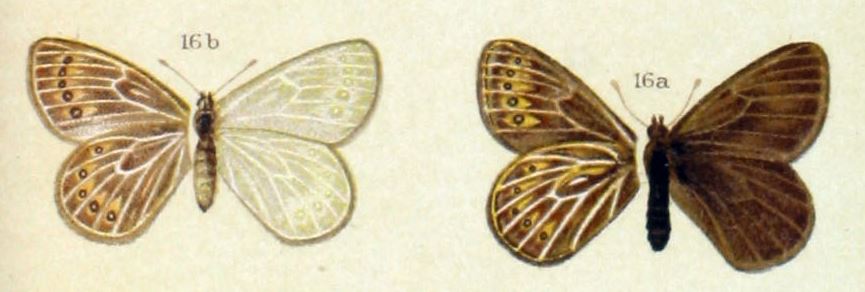


Threatened in Bolivia
Frequently asked questions
Why is Prepona praeneste classified as Vulnerable?
Where does Prepona praeneste live?
What are the main threats to Prepona praeneste?
Get weekly conservation intelligence
One short digest a week of the most striking species and country data we ship, plus breaking conservation news paired with our database where it matters.
Free, no spam. One-click unsubscribe in every email.