
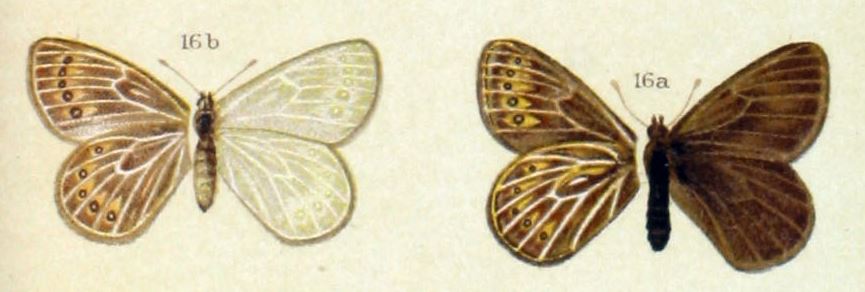
Scotch Argus
Erebia aethiops
Photo: Wikimedia Commons (CC) via https://en.wikipedia.org/wiki/Scotch_argus
Overview
A detailed profile for this species is sourced from the IUCN Red List of Threatened Species as assessments become available.
The Scotch Argus faces severe population declines due to habitat fragmentation and loss of its specialized grassland environments. Climate change poses additional pressure by altering the temperature and moisture conditions required for its host plants and larval development. Conservation status may vary by region or assessment authority, but localized extinctions have been documented across portions of its range.
Habitat
Inhabits unimproved grasslands, moorlands, and forest clearings, typically on acidic soils between 200-800m elevation. Requires areas with abundant purple moor-grass (Molinia caerulea) and other grasses that serve as larval host plants.
Other threatened species in Nymphalidae


Threatened in Albania

Frequently asked questions
Why is Scotch Argus classified as Critically Endangered?
Where does Scotch Argus live?
What are the main threats to Scotch Argus?
Get weekly conservation intelligence
One short digest a week of the most striking species and country data we ship, plus breaking conservation news paired with our database where it matters.
Free, no spam. One-click unsubscribe in every email.