Hump Coral
Porites attenuata
Overview
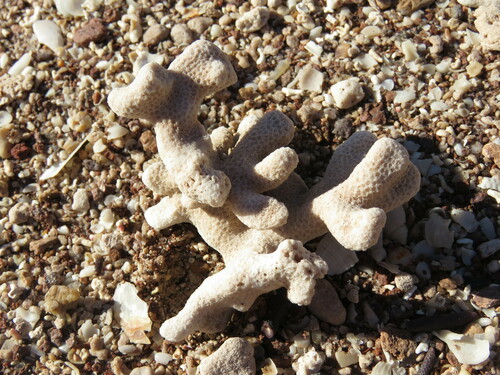
Porites attenuata is a colonial stony coral in the family Poritidae, forming solid, rounded to columnar colonies built from calcium carbonate skeletons secreted by countless small polyps. Like other scleractinian corals, its polyps host symbiotic photosynthetic algae (zooxanthellae) within their tissues, an association that supplies the coral with energy and drives the construction of reef framework. This species contributes to reef structural complexity, providing habitat and refuge for fish and invertebrates while participating in the broader reef-building processes that support coastal marine biodiversity.
The species occurs in shallow marine neritic waters across a wide Indo-Pacific range, including Madagascar, Seychelles, Australia, Malaysia, Vietnam, China, and Japan, typically inhabiting reef environments within photic depths suitable for its symbiotic algae.
Population decline is attributed to a combination of ongoing pressures rather than a single cause. Coastal pollution from domestic and urban wastewater, agricultural runoff, and effluents from non-timber crop production degrade water quality, while sedimentation and habitat alteration from coastal development reduce suitable substrate. Fishing and harvesting activities, along with recreational use of reef areas, cause direct physical damage.
The species also faces pressure from invasive species, disease, and problematic native species such as coral-eating organisms, compounding stress on already weakened colonies.
Conservation measures include marine protected areas across parts of its range, reef monitoring programs, and regional water quality management initiatives, though enforcement and coverage vary considerably by country. No population-specific recovery programs targeting this species alone have been documented. Given the persistence of multiple concurrent threats and the species' reliance on stable water quality and reef habitat, its population trend remains decreasing, and its long-term outlook depends heavily on broader reef conservation and pollution control efforts across its range.
Hump Coral faces ongoing pressure from fishing activities, recreational use like diving and boating, and pollution from sewage, farm runoff, and nearby crop growing that washes into its waters. It's also threatened by disease, competition from invasive species, and broader changes to its reef habitat. These varied, ongoing pressures suggest the threats to this coral remain persistent rather than easing.
Habitat
Conservation measures underway
Other threatened species in PORITIDAE
Threatened in Australia
Frequently asked questions
Why is Hump Coral classified as Endangered?
Where does Hump Coral live?
What are the main threats to Hump Coral?
Get weekly conservation intelligence
One short digest a week of the most striking species and country data we ship, plus breaking conservation news paired with our database where it matters.
Free, no spam. One-click unsubscribe in every email.