Porites heronensis
Overview
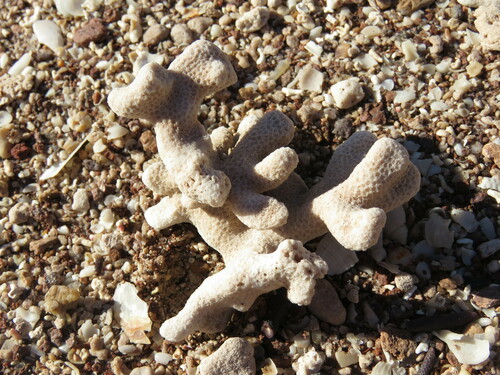
Porites heronensis is a small, encrusting to massive stony coral in the family Poritidae, distinguished by its fine calyx structure and typically low, cushion-like growth form. Like other scleractinian corals, it builds calcium carbonate skeletons that form the physical framework of reef ecosystems, hosting symbiotic zooxanthellae that supply energy through photosynthesis. Its colonies provide substrate and shelter for reef-associated invertebrates and fish, contributing to overall reef structural complexity.
The species occurs in shallow marine neritic waters across the western Pacific and parts of Southeast Asia, with recorded populations in Papua New Guinea, the Philippines, Australia, Indonesia, Malaysia, and Japan. It is typically found on reef flats and shallow reef slopes within this range.
Porites heronensis faces a combination of pressures common to reef-building corals in the region. Fishing and harvesting activities, along with recreational use of reef areas, cause direct physical damage to colonies. Water quality is degraded by domestic and urban wastewater discharge, agricultural runoff, and effluents from non-timber crop production, all of which elevate nutrient loads and sedimentation.
Disease outbreaks, exacerbated by invasive species and native pathogens, further weaken colonies, while broader habitat shifting linked to changing environmental conditions compounds these localized stressors.
Conservation efforts affecting this species are largely embedded within broader regional reef management, including marine protected areas, fisheries regulations, and water quality initiatives across its range countries. Species-specific interventions remain limited compared to reef-wide programs.
The population trend is decreasing, consistent with its IUCN Endangered classification. Given the persistence and combination of ongoing threats across its range, the species' outlook remains concerning without substantial improvement in water quality management and reef protection measures.
This coral faces ongoing damage from fishing and harvesting activities, human recreation (like divers or boats), and pollution from sewage, farm runoff, and other unrecorded sources washing into its waters. It's also struggling with competition or disease from invasive species and other native organisms, while its habitat is being altered due to climate-related changes and coastal land being converted for crops. These combined pressures appear to be ongoing and persistent rather than easing, suggesting the threats are stable to intensifying rather than decreasing.
Habitat
Conservation measures underway
Other threatened species in PORITIDAE
Threatened in Australia
Frequently asked questions
Why is Porites heronensis classified as Endangered?
Where does Porites heronensis live?
What are the main threats to Porites heronensis?
Get weekly conservation intelligence
One short digest a week of the most striking species and country data we ship, plus breaking conservation news paired with our database where it matters.
Free, no spam. One-click unsubscribe in every email.