Orange Long-nosed Frog
Eleutherodactylus jaumei
Overview
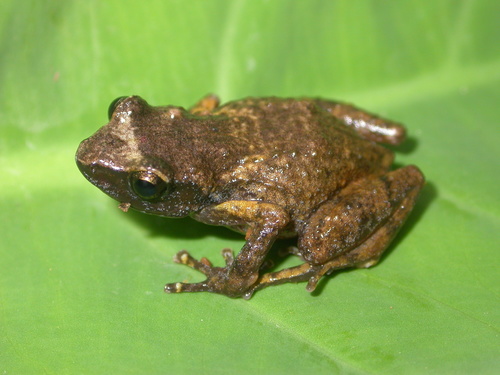
Eleutherodactylus jaumei is a critically endangered frog species endemic to Cuba, belonging to the diverse genus of direct-developing frogs known as rain frogs or coquis. This small amphibian is characterized by its direct development, meaning eggs hatch directly into miniature frogs without a tadpole stage, eliminating the need for permanent water bodies for reproduction. The species is named after Cuban herpetologist Jaume Bosch and represents one of many endemic Eleutherodactylus species found throughout the Caribbean islands.
E. jaumei inhabits specific microhabitats within Cuba's native forests, where it plays an important ecological role as both predator of small invertebrates and prey for larger animals. The species faces severe population declines that have led to its classification as Critically Endangered by the IUCN.
Primary threats include habitat destruction and fragmentation due to agricultural expansion, urban development, and deforestation. Climate change poses additional challenges through altered precipitation patterns and temperature regimes that affect the species' forest habitat and reproductive success. The introduction of invasive species and potential disease outbreaks, including chytrid fungus which has devastated amphibian populations globally, represent ongoing concerns.
Conservation efforts focus on habitat protection and restoration within Cuba's protected area system, along with research to better understand the species' ecological requirements and population status. Captive breeding programs may be necessary if wild populations continue to decline, though such efforts require significant resources and expertise in maintaining viable breeding populations of this specialized endemic species.
Eleutherodactylus jaumei faces severe threats from habitat destruction caused by agricultural expansion, urban development, and deforestation throughout its Cuban range. Climate change compounds these pressures by altering forest conditions essential for the species' survival and reproduction. Additional risks include invasive species and potential disease outbreaks that could further devastate remaining populations.
Habitat
Eleutherodactylus jaumei inhabits native forest environments in Cuba, where it occupies specific microhabitats within the forest understory and leaf litter. The species requires stable forest conditions with appropriate moisture levels and temperature regimes for successful reproduction and survival.
Conservation measures underway
Other threatened species in ELEUTHERODACTYLIDAE

Threatened in Cuba
Frequently asked questions
Why is Orange Long-nosed Frog classified as Critically Endangered?
Where does Orange Long-nosed Frog live?
What are the main threats to Orange Long-nosed Frog?
Get weekly conservation intelligence
One short digest a week of the most striking species and country data we ship, plus breaking conservation news paired with our database where it matters.
Free, no spam. One-click unsubscribe in every email.