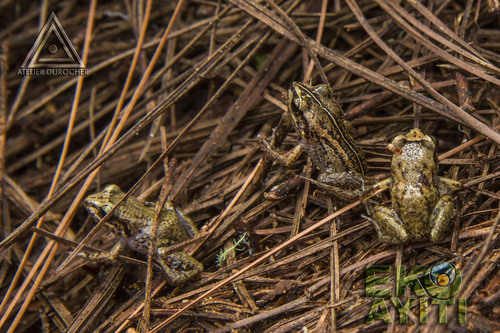
Eleutherodactylus amadeus
Photo: (c) René Durocher, some rights reserved (CC BY-NC), uploaded by René Durocher
Overview
Eleutherodactylus amadeus is a critically endangered frog species endemic to Puerto Rico, belonging to the diverse genus of direct-developing frogs known as coquís. This small terrestrial amphibian is characterized by its direct development, meaning eggs hatch directly into miniature frogs without a tadpole stage. The species inhabits montane forests in Puerto Rico's mountainous interior regions, where it occupies leaf litter and low vegetation in humid microhabitats.
Like many Caribbean endemic amphibians, E. amadeus faces severe population declines that have led to its critically endangered status. The primary threats include habitat loss and fragmentation due to deforestation, agricultural expansion, and urban development throughout Puerto Rico's mountain forests.
Climate change poses additional risks through altered precipitation patterns and temperature increases that affect the humid conditions essential for the species' survival. The fungal disease chytridiomycosis, which has devastated amphibian populations globally, represents another significant threat to remaining populations. Hurricane damage to forest canopy and understory vegetation further compounds habitat degradation.
Conservation efforts focus on habitat protection within existing protected areas and forest reserves in Puerto Rico's central mountains. Research initiatives aim to better understand the species' ecological requirements, population status, and breeding biology to inform targeted conservation strategies. Captive breeding programs may be necessary if wild populations continue to decline, though successful implementation requires detailed knowledge of the species' specific habitat and reproductive needs.
Eleutherodactylus amadeus faces habitat destruction from deforestation and development in Puerto Rico's mountain forests. The species is also threatened by climate change effects on humidity levels and the spread of chytridiomycosis fungal disease.
Habitat
This species inhabits humid montane forests in Puerto Rico's mountainous regions, living among leaf litter and low vegetation. It requires consistently moist microhabitats within the forest understory for survival and reproduction.
Conservation measures underway
Other threatened species in ELEUTHERODACTYLIDAE

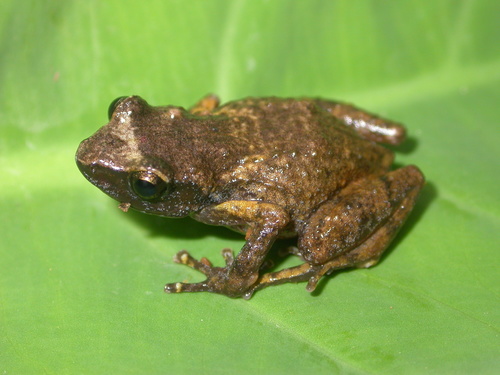
Threatened in Haiti
Frequently asked questions
Why is Eleutherodactylus amadeus classified as Critically Endangered?
Where does Eleutherodactylus amadeus live?
What are the main threats to Eleutherodactylus amadeus?
Get weekly conservation intelligence
One short digest a week of the most striking species and country data we ship, plus breaking conservation news paired with our database where it matters.
Free, no spam. One-click unsubscribe in every email.