Morelet-snail
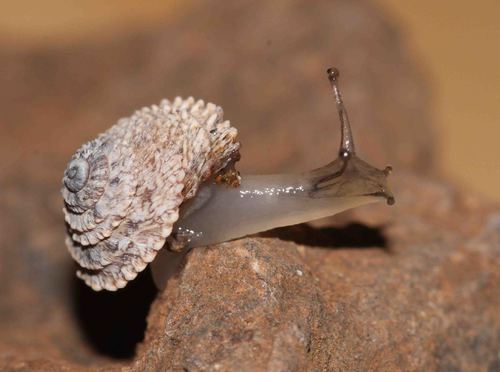
Moreletina obruta
Overview
A detailed profile for this species is sourced from the IUCN Red List of Threatened Species as assessments become available.
Moreletina obruta faces significant pressure from habitat degradation and fragmentation across its limited range in southeastern Mexico. Urban expansion and agricultural conversion have reduced available limestone cave and karst habitat essential for this terrestrial gastropod. Collection pressure for the shell trade, combined with the species' naturally restricted distribution, compounds population vulnerability.
Habitat
This terrestrial snail inhabits limestone caves, rock crevices, and karst formations in the tropical forests of southeastern Mexico. It requires humid microhabitats with calcium-rich substrates typical of limestone geology.
Conservation measures underway
Other threatened species in GEOMITRIDAE
Threatened in Portugal
Frequently asked questions
Why is Morelet-snail classified as Vulnerable?
Where does Morelet-snail live?
What are the main threats to Morelet-snail?
Get weekly conservation intelligence
One short digest a week of the most striking species and country data we ship, plus breaking conservation news paired with our database where it matters.
Free, no spam. One-click unsubscribe in every email.