Marbled Darter
Etheostoma marmorpinnum
Overview
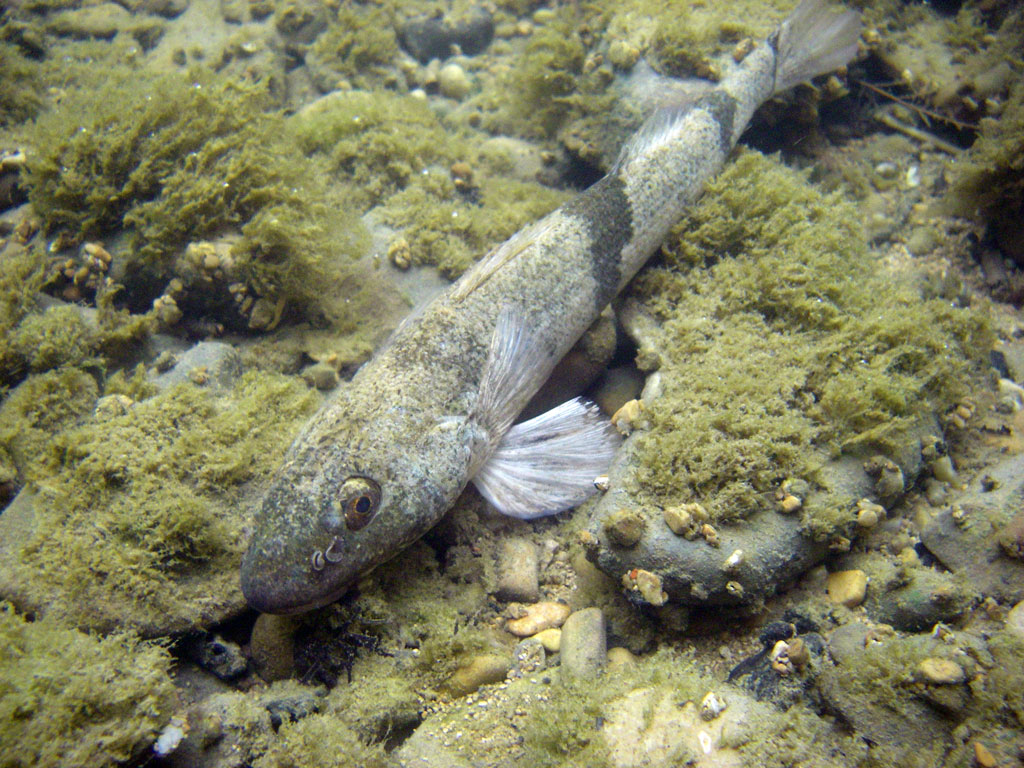
Etheostoma marmorpinnum, commonly known as the marbled darter, is a small freshwater fish species endemic to the southeastern United States. This darter inhabits clear, fast-flowing streams and rivers with rocky substrates, where it feeds primarily on aquatic insects and small invertebrates. The species is characterized by its distinctive marbled coloration pattern, which provides camouflage among the rocky stream bottoms it calls home.
The marbled darter has experienced severe population declines and is currently classified as Critically Endangered by the IUCN. The species faces multiple threats that have contributed to its precarious conservation status. Habitat degradation represents the primary threat, with stream channelization, dam construction, and urban development significantly altering the clear, fast-flowing waters the species requires.
Water quality deterioration from agricultural runoff, industrial pollution, and sedimentation has further compromised suitable habitat. Climate change poses additional challenges through altered precipitation patterns and increased water temperatures. The species' limited range and specific habitat requirements make it particularly vulnerable to these environmental pressures.
Conservation efforts for the marbled darter include habitat restoration projects focused on improving water quality and stream structure. Monitoring programs track remaining populations to assess conservation effectiveness and guide management decisions. Regulatory protections under various environmental laws provide some safeguards for critical habitat areas.
However, the species' critically endangered status indicates that more intensive conservation measures may be necessary to prevent extinction and support population recovery.
The marbled darter faces severe threats from habitat degradation caused by stream channelization, dam construction, and urban development that alter its required clear, fast-flowing water conditions. Water quality deterioration from agricultural runoff, industrial pollution, and sedimentation further compromises suitable habitat. Climate change compounds these pressures through altered precipitation patterns and rising water temperatures.
Habitat
The marbled darter inhabits clear, fast-flowing streams and rivers with rocky substrates in the southeastern United States. The species requires well-oxygenated waters with minimal sedimentation and stable rocky bottoms for feeding and reproduction.
Conservation measures underway
Other threatened species in PERCIDAE


Threatened in United States
Frequently asked questions
Why is Marbled Darter classified as Critically Endangered?
Where does Marbled Darter live?
What are the main threats to Marbled Darter?
Get weekly conservation intelligence
One short digest a week of the most striking species and country data we ship, plus breaking conservation news paired with our database where it matters.
Free, no spam. One-click unsubscribe in every email.