Coelioxys lanceolatus
Overview
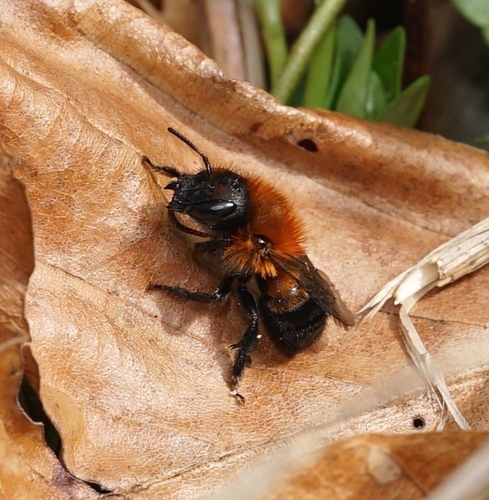
The lansettkägelbi (Coelioxys lanceolatus) is a distinctive cuckoo bee species characterized by its pointed, lance-like abdomen and metallic sheen. As a kleptoparasitic bee, it does not collect pollen itself but instead lays its eggs in the nests of other solitary bee species, where its larvae consume the host's provisions.
Coelioxys lanceolatus, a cuckoo bee species, faces severe population declines primarily due to habitat loss and degradation of the specialized nesting sites required by its host bee species. The species is particularly vulnerable because it depends entirely on specific host bees for reproduction, making it susceptible to any factors that negatively impact host populations.
Habitat
Lansettkägelbi inhabits areas with abundant wild flowering plants and suitable nesting sites for its host bees, including forest edges, traditional hay meadows, and extensively managed grasslands. The species requires proximity to sandy or loamy soils where host bees construct their ground nests, as well as diverse floral resources that support the broader solitary bee community.
Other threatened species in Megachilidae
Threatened in Austria
Frequently asked questions
Why is Coelioxys lanceolatus classified as Endangered?
Where does Coelioxys lanceolatus live?
What are the main threats to Coelioxys lanceolatus?
Get weekly conservation intelligence
One short digest a week of the most striking species and country data we ship, plus breaking conservation news paired with our database where it matters.
Free, no spam. One-click unsubscribe in every email.