
Morimus asper
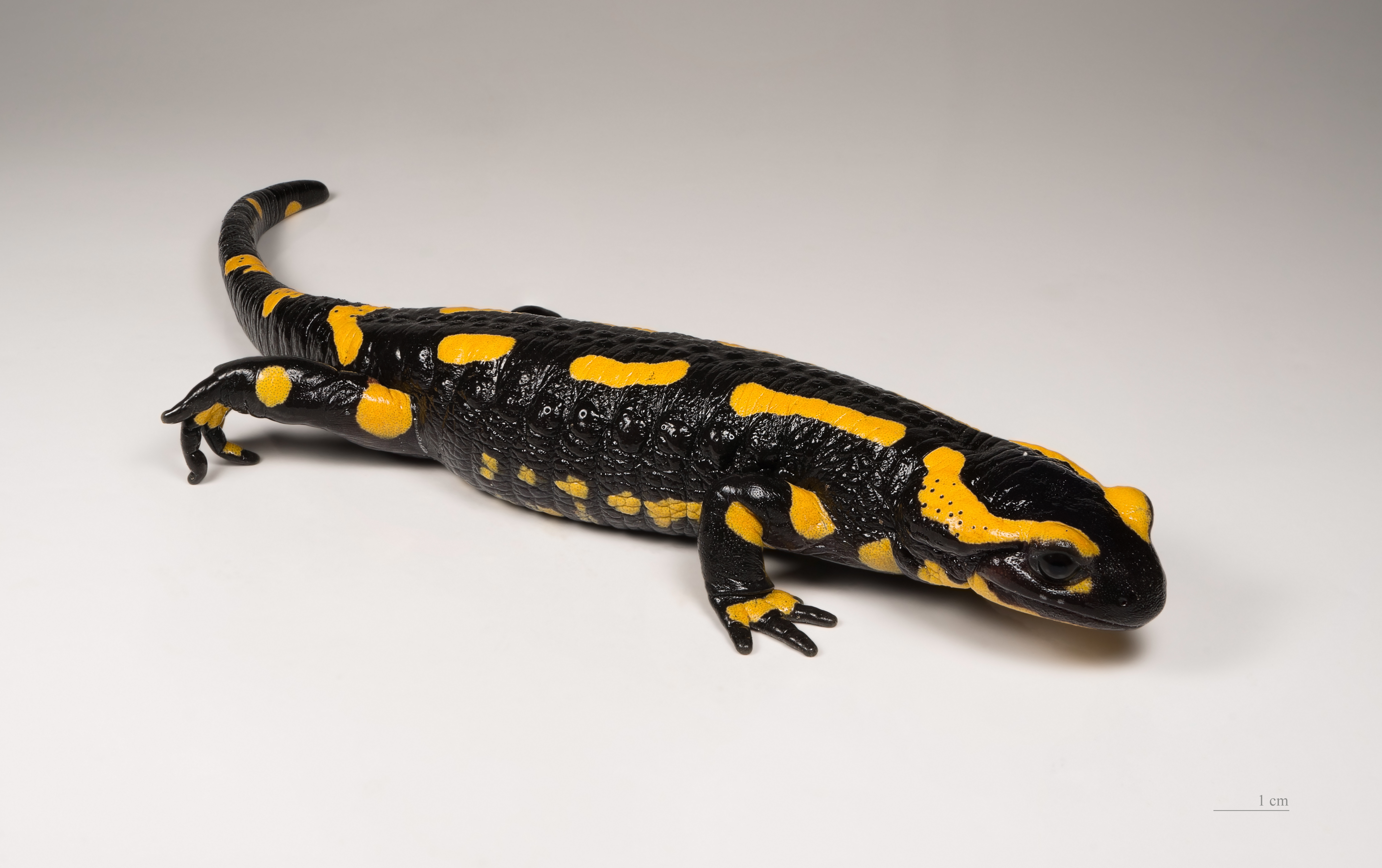
Photo: Wikimedia Commons (CC) via https://en.wikipedia.org/wiki/Morimus_asper
Overview
Lamie bûcheron (Morimus asper) is a large, robust longhorn beetle characterized by its distinctive black coloration and prominent antennae that can exceed body length in males. This saproxylic species plays a crucial ecological role as a decomposer, with its larvae developing in decaying hardwood trees, particularly oak, beech, and other deciduous species, helping to recycle nutrients in forest ecosystems.
Morimus asper, the Great Capricorn Beetle, faces severe population declines primarily due to habitat loss and fragmentation of old-growth deciduous forests. The species depends on mature oak and beech trees for breeding, but deforestation, urbanization, and intensive forest management have drastically reduced suitable habitat across its European range.
Habitat
This beetle inhabits mature deciduous and mixed forests with abundant dead wood, particularly favoring sun-exposed dead trunks and large branches of oak, beech, and other hardwood species. The species requires forests with a continuous supply of decaying wood in various stages of decomposition, typically found in old-growth stands or forest edges with natural tree mortality.
Other threatened species in Cerambycidae


Threatened in Albania

Frequently asked questions
Why is Morimus asper classified as Critically Endangered?
Where does Morimus asper live?
What are the main threats to Morimus asper?
Get weekly conservation intelligence
One short digest a week of the most striking species and country data we ship, plus breaking conservation news paired with our database where it matters.
Free, no spam. One-click unsubscribe in every email.