La Preciosa Silverside
Poblana letholepis
Overview
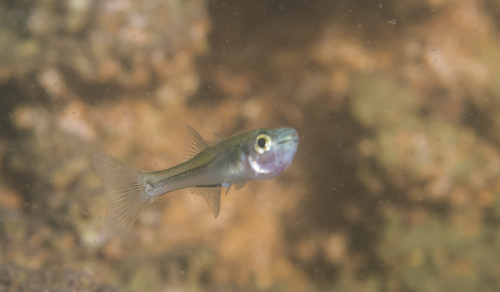
Poblana letholepis is a small freshwater fish endemic to the high-altitude lakes and springs of central Mexico's Trans-Mexican Volcanic Belt. This species belongs to the family Atherinidae and is characterized by its small size and specialized adaptations to cool, clear waters at elevations typically above 2,000 meters. The fish inhabits shallow areas with aquatic vegetation and rocky substrates in volcanic crater lakes and associated spring systems.
As a critically endangered species, Poblana letholepis faces severe threats from habitat degradation and water extraction for agricultural and urban use. The introduction of non-native fish species has created additional pressure through competition and predation. Water pollution from agricultural runoff and urban development has further compromised water quality in its limited range.
Climate change poses an emerging threat by potentially altering the thermal characteristics of its high-altitude aquatic habitats. The species' extremely restricted distribution makes it particularly vulnerable to local environmental changes. Conservation efforts have focused on habitat protection and water quality monitoring, though comprehensive population assessments remain challenging due to the species' limited accessibility and small population size.
Research initiatives aim to better understand its ecological requirements and population dynamics to inform targeted conservation strategies. The preservation of this endemic species requires coordinated efforts to maintain water quality and protect the integrity of Mexico's high-altitude aquatic ecosystems.
Poblana letholepis faces critical threats from habitat degradation caused by water extraction for agriculture and urban development, which reduces water levels and alters habitat conditions. The introduction of non-native fish species has intensified competition and predation pressure on this endemic species. Water pollution from agricultural runoff and urban sources continues to degrade the quality of its limited high-altitude aquatic habitats.
Habitat
This species inhabits cool, clear waters of high-altitude volcanic crater lakes and associated spring systems in central Mexico's Trans-Mexican Volcanic Belt, typically at elevations above 2,000 meters. It prefers shallow areas with aquatic vegetation and rocky substrates in these specialized volcanic aquatic environments.
Other threatened species in ATHERINIDAE


Threatened in Mexico
Frequently asked questions
Why is La Preciosa Silverside classified as Critically Endangered?
Where does La Preciosa Silverside live?
What are the main threats to La Preciosa Silverside?
Get weekly conservation intelligence
One short digest a week of the most striking species and country data we ship, plus breaking conservation news paired with our database where it matters.
Free, no spam. One-click unsubscribe in every email.