Craterocephalus kailolae
Overview
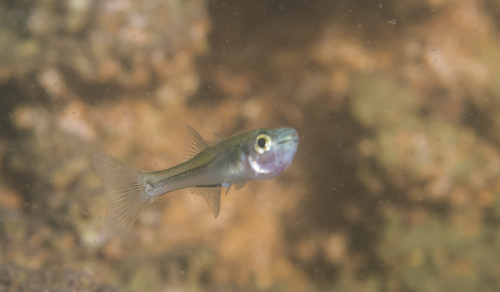
Craterocephalus kailolae, commonly known as Kailola's hardyhead, is a small freshwater fish endemic to Australia. This species belongs to the family Atherinidae and is characterized by its slender body and silvery appearance typical of hardyhead species. The fish inhabits specific freshwater systems in northern Australia, where it occupies shallow areas with vegetation and slow-moving waters.
As a critically endangered species, Craterocephalus kailolae faces severe threats to its survival, primarily from habitat degradation and modification of its aquatic environment. Water quality changes, including altered flow regimes and pollution from agricultural and urban runoff, pose significant challenges to the species' persistence. The introduction of exotic fish species has also contributed to population decline through competition and predation pressure.
Climate change impacts, including altered rainfall patterns and increased temperatures, further threaten the delicate freshwater ecosystems this species depends upon. Conservation efforts for Craterocephalus kailolae focus on habitat protection and restoration of water quality in its native range. Monitoring programs have been established to track population status, though current population trends remain unknown due to the species' limited distribution and the challenges associated with surveying small freshwater fish.
Research into the species' ecology and breeding requirements continues to inform conservation strategies aimed at preventing extinction.
Craterocephalus kailolae faces critical threats from habitat degradation, water quality deterioration, and competition from introduced fish species. Climate change impacts including altered rainfall patterns and rising temperatures further compromise the freshwater ecosystems essential for the species' survival.
Habitat
This species inhabits shallow, slow-moving freshwater systems in northern Australia, typically in areas with aquatic vegetation. It prefers calm waters with stable flow regimes and good water quality conditions.
Conservation measures underway
Other threatened species in ATHERINIDAE


Threatened in Papua New Guinea
Frequently asked questions
Why is Craterocephalus kailolae classified as Critically Endangered?
Where does Craterocephalus kailolae live?
What are the main threats to Craterocephalus kailolae?
Get weekly conservation intelligence
One short digest a week of the most striking species and country data we ship, plus breaking conservation news paired with our database where it matters.
Free, no spam. One-click unsubscribe in every email.