Melanotaenia corona
Overview
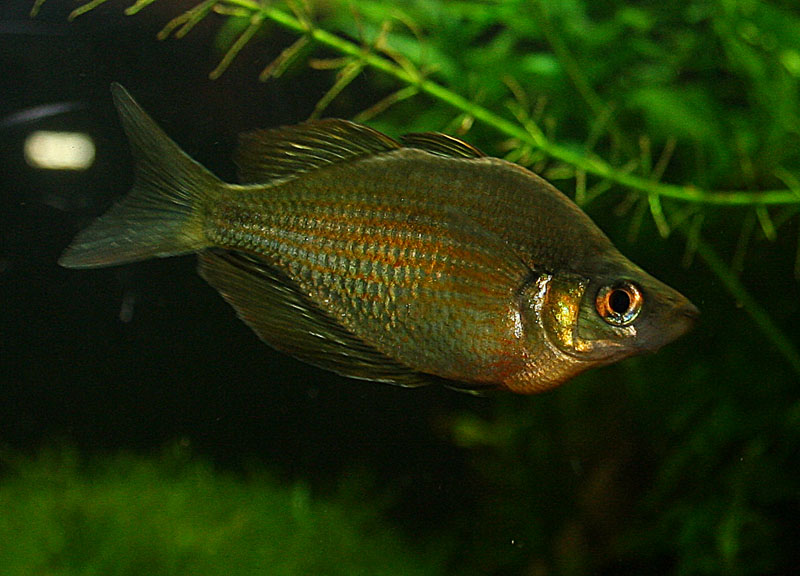
Melanotaenia corona, commonly known as the Corona Rainbowfish, is a freshwater fish species endemic to Australia. This small, colorful fish belongs to the family Melanotaeniidae and is characterized by its distinctive iridescent scales and streamlined body typical of rainbowfish. The species inhabits specific freshwater systems in northern Australia, where it occupies shallow, vegetated areas of streams and rivers.
Like many Australian rainbowfish, M. corona plays an important ecological role in its aquatic ecosystem, feeding on small invertebrates and contributing to the food web dynamics of its native waters. The species faces significant conservation challenges that have led to its classification as Critically Endangered by the IUCN.
Primary threats include habitat degradation, water quality deterioration, and potential impacts from invasive species. Agricultural runoff, urban development, and altered water flow regimes have contributed to the decline of suitable habitat for this species. The limited distribution range makes the population particularly vulnerable to environmental changes and human activities.
Conservation efforts for M. corona involve habitat protection measures and water quality monitoring in its native range. Research initiatives focus on understanding the species' ecological requirements and population dynamics to inform management strategies.
Collaboration between government agencies, conservation organizations, and local communities is essential for implementing effective protection measures. The species' conservation status highlights the broader challenges facing Australia's endemic freshwater fish fauna and the need for comprehensive aquatic ecosystem management.
Melanotaenia corona faces threats from habitat degradation and water quality deterioration in its native freshwater systems. Agricultural runoff, urban development, and altered water flow regimes have contributed to the decline of suitable habitat. The species' limited distribution range makes it particularly vulnerable to environmental changes and human activities.
Habitat
Melanotaenia corona inhabits shallow, vegetated areas of freshwater streams and rivers in northern Australia. The species prefers areas with good water quality and natural flow regimes typical of undisturbed aquatic systems.
Conservation measures underway
Other threatened species in MELANOTAENIIDAE
Threatened in Indonesia

Frequently asked questions
Why is Melanotaenia corona classified as Critically Endangered?
Where does Melanotaenia corona live?
What are the main threats to Melanotaenia corona?
Get weekly conservation intelligence
One short digest a week of the most striking species and country data we ship, plus breaking conservation news paired with our database where it matters.
Free, no spam. One-click unsubscribe in every email.