ENEndangered
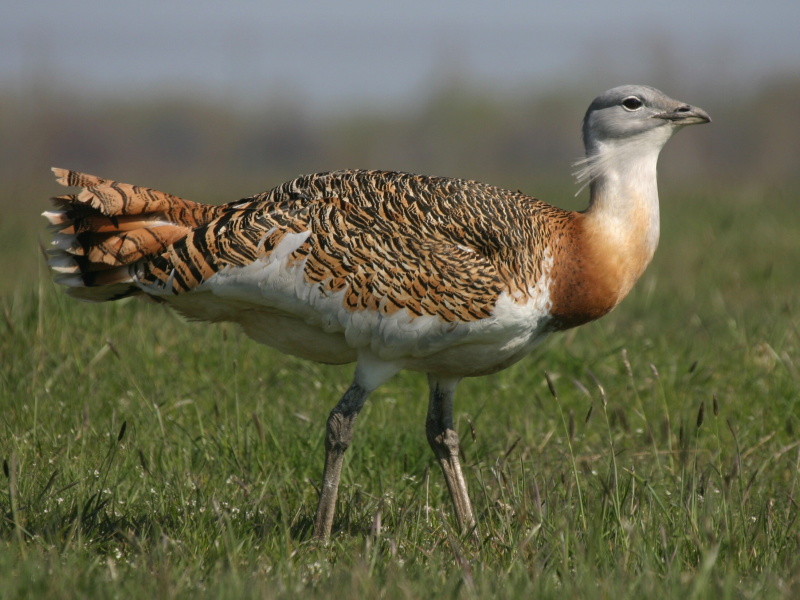
Great Bustard
Otis tarda
DecliningLCEULCEU
Photo: Wikimedia Commons (CC) via https://en.wikipedia.org/wiki/Great_bustard
Overview
A detailed profile for this species is sourced from the IUCN Red List of Threatened Species as assessments become available.
Habitat
Forest· majorGrassland· majorWetlands (inland) - Permanent rivers/streams· majorDesert· major
Conservation measures underway
Species managementSpecies recoverySpecies reintroductionAwareness & communicationsLegislationCompliance and enforcement
Other threatened species in OTIDIDAE


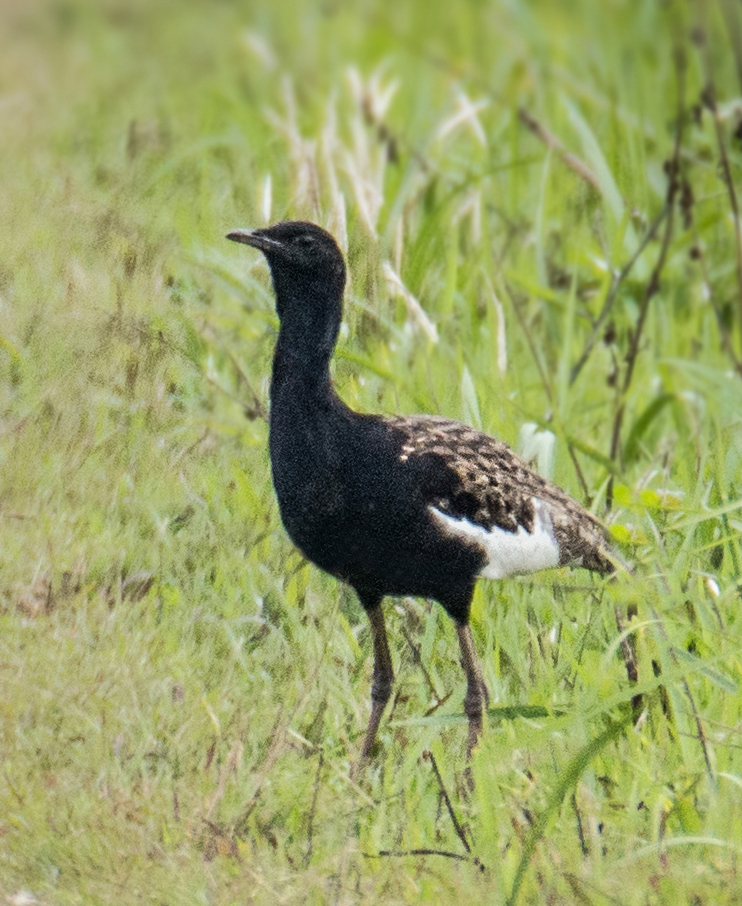
Threatened in Austria
Frequently asked questions
Why is Great Bustard classified as Endangered?
Great Bustard is classified as Endangered — facing a very high risk of extinction in the wild — because population numbers are declining steeply and key habitats are under sustained pressure, per the IUCN Red List assessment recorded in the SpeciesRadar database.
Where does Great Bustard live?
Great Bustard occurs in Austria, Azerbaijan, Bulgaria, China, Czechia, and Germany (plus 21 other countries). Country-level distribution data is sourced from the IUCN Red List and cross-referenced with GBIF occurrences.
What are the main threats to Great Bustard?
The main threats to Great Bustard are 1.1, 11.1, 2.1, and 2.3. The full IUCN-classified threat record for this species is detailed on the species page.
Get weekly conservation intelligence
One short digest a week of the most striking species and country data we ship, plus breaking conservation news paired with our database where it matters.
Free, no spam. One-click unsubscribe in every email.