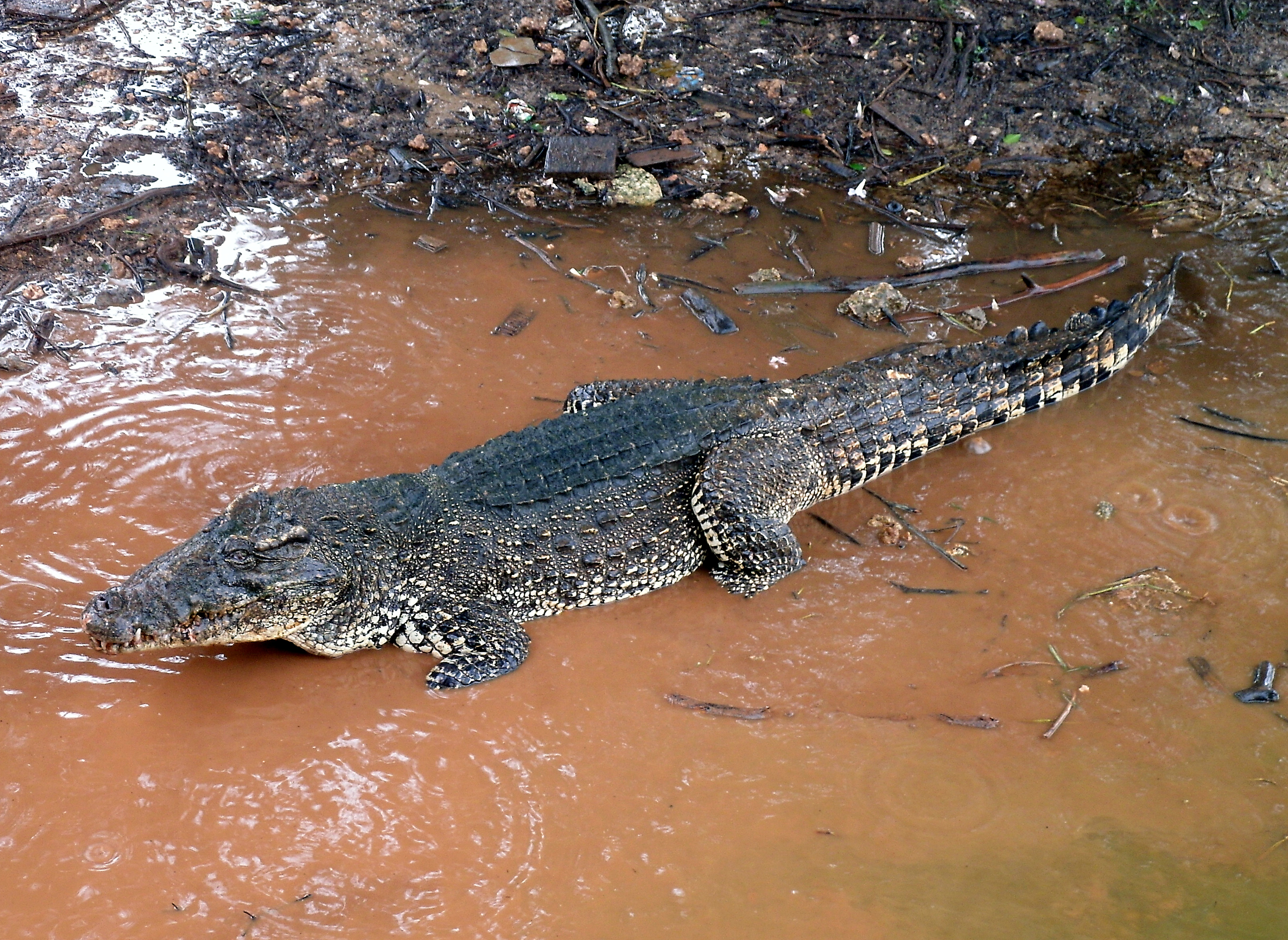
Cuban Crocodile
Crocodylus rhombifer
Photo: Photo: Wikimedia Commons, CC BY-SA
Overview
A detailed profile for this species is sourced from the IUCN Red List of Threatened Species as assessments become available.
The Cuban crocodile faces severe population decline due to habitat loss from agricultural expansion and urban development in Cuba's wetlands. Hybridization with the more common American crocodile poses a significant genetic threat, potentially diluting the species' unique characteristics. Illegal hunting for meat and hides, combined with collection for the international pet trade, continues to pressure the remaining wild populations despite legal protection.
Habitat
Cuban crocodiles inhabit freshwater environments including rivers, lakes, marshes, and swamps throughout Cuba. They prefer shallow wetland areas with dense vegetation and are particularly associated with the Zapata Swamp and other lowland freshwater systems.
Conservation measures underway
Other threatened species in CROCODYLIDAE


Threatened in Bahamas


Frequently asked questions
Why is Cuban Crocodile classified as Critically Endangered?
Where does Cuban Crocodile live?
What are the main threats to Cuban Crocodile?
Get weekly conservation intelligence
One short digest a week of the most striking species and country data we ship, plus breaking conservation news paired with our database where it matters.
Free, no spam. One-click unsubscribe in every email.